
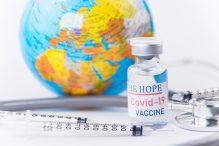
Traveling abroad is an exhilarating experience, but it also comes with potential health risks. One of the best ways to safeguard yourself against preventable diseases is through vaccination. Depending on your destination, specific vaccines may be recommended or even required. Failing to get vaccinated could not only dampen your travel plans but also put your health at risk. The CNN on behalf of CDC recommends various vaccines depending on the region you are traveling to, such as COVID-19, flu, tetanus, hepatitis A and B, and specific vaccines like yellow fever, polio, and cholera based on the destination’s health risks. In this comprehensive guide, we’ll explore the essential vaccines you need to consider before embarking on your international journey.
Understanding the Importance of Vaccines
Vaccines are one of the greatest medical achievements in human history. They work by introducing a weakened or inactivated form of a disease-causing agent into your body, triggering an immune response. This process equips your body with the necessary antibodies to fight off future infections from that specific pathogen. By getting vaccinated, you not only protect yourself but also contribute to herd immunity, which helps safeguard vulnerable populations who cannot receive certain vaccines.
Routine Vaccines: The Foundation of Protection
Before we dive into travel-specific vaccines, it’s crucial to ensure you’re up-to-date with routine vaccinations. These include:
- Measles, Mumps, and Rubella (MMR): This vaccine protects against three highly contagious viral diseases that can cause severe complications.
- Tetanus, Diphtheria, and Pertussis (Tdap): This combination vaccine guards against tetanus, diphtheria, and pertussis (whooping cough).
- Influenza: While not always required for travel, an annual flu shot can prevent illness and complications, especially during flu season.

Travel Vaccines: Tailored to Your Destination
The vaccines you’ll need for international travel largely depend on your destination, planned activities, and health status. Here are some common travel vaccines to consider:
- Hepatitis A and B: These vaccines protect against viral hepatitis, which can cause liver disease. Hepatitis A is primarily transmitted through contaminated food and water, while Hepatitis B is spread through bodily fluids.
- Typhoid: This vaccine safeguards against typhoid fever, a potentially life-threatening illness caused by the bacteria Salmonella Typhi, commonly found in contaminated food and water.
- Yellow Fever: If you’re traveling to certain parts of Africa or South America, proof of yellow fever vaccination may be required for entry. This vaccine protects against the yellow fever virus, transmitted by infected mosquitoes.
- Japanese Encephalitis: This vaccine is recommended for travelers spending extended periods in rural areas of Asia, where the risk of contracting Japanese encephalitis (a potentially severe viral brain infection) is higher.
- Rabies: While not routinely recommended for most travelers, this vaccine may be advised if you plan to work with animals or participate in outdoor activities that increase your risk of exposure to potentially rabid animals.
Read Also: The Top 20 Things To Do In Destin, Florida
Destination-Specific Recommendations
It’s essential to consult with a travel health professional or your healthcare provider well in advance of your trip. They can provide personalized recommendations based on your specific travel plans, medical history, and the current health situations in your destinations. Some regions may have heightened risks for diseases like malaria, cholera, or meningococcal disease, which may require additional precautions or vaccinations.
Planning Ahead: Timing is Key
Certain vaccines require multiple doses spread out over weeks or months to achieve full protection. It’s crucial to plan ahead and start the vaccination process well before your departure date. Some vaccines may also require a waiting period after administration before they become fully effective.
Staying Informed: Reliable Resources
To ensure you have the most up-to-date information, consult trusted sources such as the Centers for Disease Control and Prevention (CDC), the World Health Organization (WHO), and reputable travel health clinics. These organizations provide comprehensive guidance on recommended vaccinations, travel advisories, and health precautions for specific destinations.
Conclusion
Vaccines are an essential component of travel preparation, offering protection against a wide range of preventable diseases. By staying informed, consulting with healthcare professionals, and getting vaccinated according to your specific travel plans, you can embark on your international adventure with peace of mind. Remember, vaccination is not just about protecting yourself but also contributing to global health security. Embrace the power of vaccines and let them be your trusted companions on your unforgettable journey abroad.