Colorado’s untamed wilderness offers some of the most breathtaking and diverse landscapes in the United States, from the towering peaks of the Rocky Mountains to the serene alpine lakes and expansive deserts. In 2026, over 5 million visitors are expected to explore Colorado’s great outdoors, drawn by its natural beauty and endless opportunities for adventure. However, the wild’s allure comes with inherent risks—unpredictable weather, wildlife encounters, and remote locations can turn a dream camping trip into a dangerous situation. To ensure a safe and memorable experience, planning a camping trip in Colorado requires meticulous preparation, respect for nature, and a solid understanding of the terrain. This guide provides a comprehensive wild camping guide to help you navigate Colorado’s backcountry with confidence, offering actionable safe camping tips and insights to make your adventure both thrilling and secure.
Why Planning a Safe Camping Trip in Colorado Is Essential
Colorado’s diverse ecosystems, ranging from high-altitude alpine environments to arid deserts, present unique challenges for campers. A 2025 report by Colorado Parks and Wildlife revealed that over 30% of wilderness rescues in the state were due to poor preparation, including inadequate gear, lack of navigation skills, or underestimating weather conditions. Additionally, the state’s rapidly changing weather—where sunny skies can turn into snowstorms within hours—demands respect and readiness. Therefore, a well-planned camping trip in Colorado not only enhances your experience but also ensures your safety and minimizes your impact on the environment.
Moreover, Colorado’s popularity as a camping destination means that many areas, especially near Denver, Boulder, and Colorado Springs, can become crowded. Planning ahead helps you secure permits, find the best campsites, and avoid overused areas, preserving the wilderness for future generations.
Key Steps to Plan a Safe Camping Trip in Colorado
1. Research Your Destination Thoroughly
Colorado offers a vast array of camping experiences, from developed campgrounds with amenities to remote backcountry sites. Start by identifying the type of camping trip you want: car camping, backpacking, dispersed camping, or RV camping. Each type has different requirements, regulations, and levels of preparation.
For a camping trip in Colorado, consider the following popular destinations and their unique challenges:
- Rocky Mountain National Park: Known for its stunning alpine scenery, this park requires reservations for campgrounds and has strict regulations to protect its fragile ecosystem. Weather can change rapidly, so be prepared for cold temperatures even in summer.
- Maroon Bells-Snowmass Wilderness: This iconic area near Aspen offers breathtaking views but has limited permits for overnight stays. The terrain is rugged, and altitude sickness can be a concern for some hikers.
- Great Sand Dunes National Park: Camping here offers a unique experience of vast sand dunes and star-filled skies. However, temperatures can swing dramatically between day and night.
- San Juan Mountains: This region is popular for dispersed camping but requires a high-clearance vehicle to access many sites. Flash floods and afternoon thunderstorms are common in summer.
Use resources like the Colorado Parks and Wildlife website, AllTrails, or local ranger stations to gather information on trail conditions, weather forecasts, and any alerts or closures. Additionally, read reviews from other campers to learn about their experiences and any challenges they faced.
2. Check Permits and Regulations
Many of Colorado’s most popular camping areas require permits, especially for backcountry and dispersed camping. For example:
- Rocky Mountain National Park: Requires reservations for front-country campgrounds and a backcountry permit for overnight trips.
- Indian Peaks Wilderness: Requires a permit for overnight stays, which can be reserved online in advance.
- Lost Creek Wilderness: Requires a free self-issued permit for dispersed camping.
Additionally, familiarize yourself with the Leave No Trace principles, which are essential for minimizing your impact on Colorado’s natural environments. These principles include:
- Planning ahead and preparing.
- Traveling and camping on durable surfaces.
- Disposing of waste properly.
- Leaving what you find.
- Minimizing campfire impact.
- Respecting wildlife.
- Being considerate of other visitors.
Failure to follow these guidelines can result in fines and harm to the environment.
3. Plan for the Weather
Colorado’s weather is notoriously unpredictable. Even in summer, temperatures can drop below freezing at night, especially at higher elevations. Additionally, afternoon thunderstorms are common in the mountains, bringing lightning, hail, and flash floods.
To prepare for these conditions:
- Layer Your Clothing: Dress in moisture-wicking base layers, insulating mid-layers, and waterproof outer layers. This allows you to adjust to changing temperatures and conditions.
- Pack for All Seasons: Bring a warm sleeping bag rated for the lowest expected temperatures, a waterproof tent, and a rainfly.
- Check Forecasts Regularly: Use reliable weather apps like Weather.gov or Mountain-Forecast.com to stay updated on conditions for your specific location.
- Avoid Cotton: Cotton retains moisture and can lead to hypothermia in cold conditions. Opt for synthetic or wool materials instead.
Additionally, be aware of the signs of altitude sickness, which can occur at elevations above 8,000 feet. Symptoms include headache, nausea, dizziness, and shortness of breath. If you experience these symptoms, descend to a lower elevation and rest.
4. Choose the Right Gear
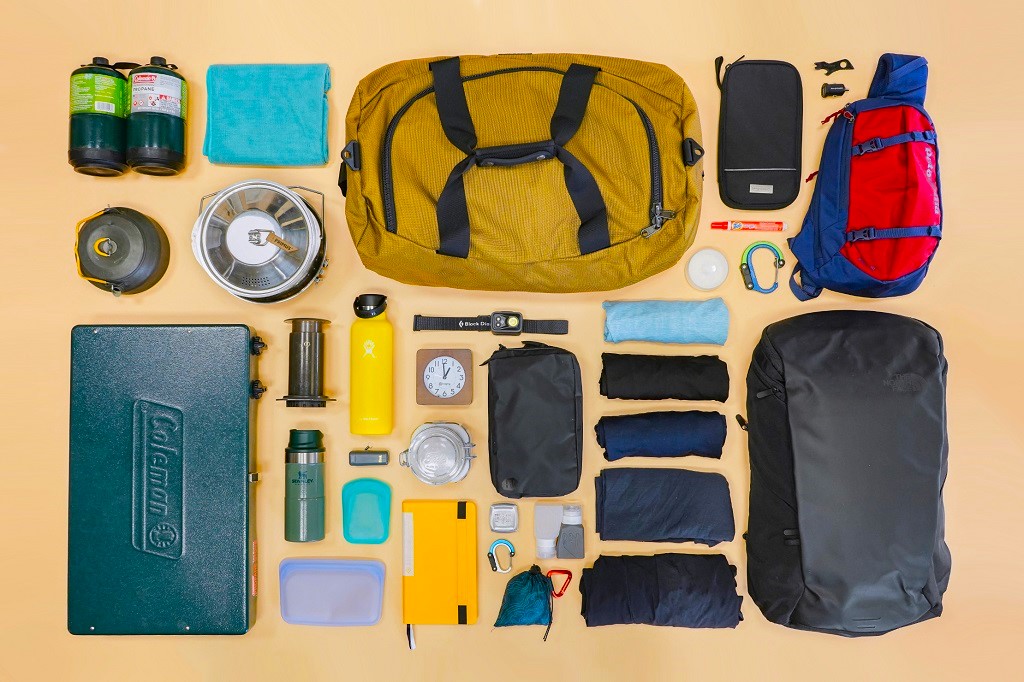
Having the right gear can make or break your camping trip in Colorado. Invest in high-quality, durable equipment that is suitable for the conditions you’ll encounter. Here’s a checklist of essential gear:
- Shelter: A sturdy, waterproof tent with a rainfly and a groundsheet to protect against moisture and wind.
- Sleeping Bag and Pad: Choose a sleeping bag rated for the lowest expected temperatures and a sleeping pad for insulation and comfort.
- Cooking Supplies: A portable stove, fuel, lighter, and cookware. Note that campfires are often restricted or banned in many areas of Colorado, especially during dry periods.
- Water Filtration: A water filter, purification tablets, or a UV purifier to ensure safe drinking water from natural sources.
- Navigation Tools: A map, compass, and GPS device. Cell service is unreliable in many wilderness areas, so don’t rely solely on your phone.
- First Aid Kit: Include bandages, antiseptic, pain relievers, blister treatment, and any personal medications.
- Lighting: A headlamp or flashlight with extra batteries. Lanterns can also be useful for camp.
- Multi-Tool or Knife: For repairs, food preparation, and other tasks.
- Emergency Supplies: A whistle, emergency blanket, fire starter, and extra food and water.
Additionally, consider bringing bear-proof containers for food storage, as black bears and other wildlife are common in many areas of Colorado. Proper food storage is critical to avoid attracting animals to your campsite.
5. Plan Your Food and Water
Food and water are critical for maintaining energy and hydration during your camping trip. Plan meals that are easy to prepare, nutritious, and lightweight if you’re backpacking. Dehydrated meals, trail mix, energy bars, and jerky are popular choices for backcountry camping.
For water, aim to drink at least 2 liters per day, more if you’re hiking or in hot conditions. Always treat water from natural sources to avoid waterborne illnesses. Options for water treatment include:
- Filtration: Use a filter with a pore size of 0.2 microns or smaller to remove protozoa and bacteria.
- Chemical Treatment: Use iodine or chlorine dioxide tablets to kill pathogens.
- UV Purification: Use a UV purifier to neutralize viruses, bacteria, and protozoa.
Additionally, carry a water bottle or hydration bladder and know where reliable water sources are located along your route.
6. Learn Wildlife Safety
Colorado is home to a diverse range of wildlife, including black bears, mountain lions, moose, and rattlesnakes. While encounters are rare, it’s important to know how to react if you do come across an animal.
- Bears: If you see a bear, do not approach it. Make noise to alert the bear of your presence and slowly back away. If a bear approaches your campsite, make loud noises, wave your arms, and group together to appear larger. Never run, as this can trigger a chase response.
- Mountain Lions: If you encounter a mountain lion, do not run. Stand tall, make eye contact, and speak firmly. If the lion acts aggressively, throw rocks or sticks and shout to deter it.
- Moose: Moose can be aggressive, especially during mating season or if they feel threatened. Give them plenty of space and avoid getting between a moose and its calf.
- Rattlesnakes: If you hear a rattlesnake, freeze and locate the snake. Slowly back away and give it a wide berth. If bitten, stay calm, immobilize the affected limb, and seek medical attention immediately.
Additionally, store food and scented items (like toothpaste and deodorant) in bear-proof containers or hang them at least 10 feet off the ground and 4 feet away from any tree trunk.
7. Share Your Itinerary and Emergency Plan
Before heading out, share your itinerary with a trusted friend or family member. Include details such as:
- Your destination and planned route.
- The dates and times you expect to arrive and depart.
- The names and contact information of anyone in your group.
- Any permits or reservations you’ve made.
Additionally, create an emergency plan that includes:
- The location of the nearest ranger station or emergency services.
- A list of emergency contacts, including local search and rescue teams.
- Basic first aid knowledge and a plan for evacuating in case of injury or illness.
In Colorado, you can also sign up for the Colorado Outdoor Recreation Search and Rescue (CORSAR) card, which helps fund search and rescue operations in the state. While the card is not insurance, it can help offset the costs of a rescue.
Professional Tips for a Safe Camping Trip in Colorado
Tip 1: Acclimate to the Altitude
If you’re traveling from a lower elevation, give your body time to acclimate to Colorado’s high altitude. Spend a day or two at a moderate elevation (around 5,000–7,000 feet) before heading higher. Stay hydrated, avoid alcohol, and eat a balanced diet to help your body adjust.
Additionally, be aware of the symptoms of altitude sickness and take steps to prevent it, such as ascending slowly, staying hydrated, and avoiding strenuous activity until you’ve acclimated.
Tip 2: Practice Navigation Skills
Navigation is a critical skill for any camping trip in Colorado, especially in remote areas where trails may be poorly marked or nonexistent. Before your trip:
- Study Your Map: Familiarize yourself with the topography, landmarks, and potential hazards in your destination.
- Learn to Use a Compass: Practice using a compass in conjunction with your map to navigate accurately.
- Test Your GPS Device: If you’re using a GPS device, test it in advance and carry extra batteries or a portable charger.
- Mark Your Route: Use your map to mark your planned route and any key landmarks or waypoints.
Additionally, carry a physical map and compass as a backup, even if you’re using a GPS device. Technology can fail, and a paper map doesn’t rely on batteries or signal.
Tip 3: Pack Light but Smart
When backpacking, every ounce counts, but don’t sacrifice essential gear for the sake of a lighter pack. Prioritize multi-functional items, such as a bandana that can serve as a towel, pot holder, or sling. Additionally, consider the following tips for packing efficiently:
- Use a Checklist: Create a packing list and check off items as you pack to ensure you don’t forget anything essential.
- Repackage Food: Remove excess packaging from food items to save space and reduce weight.
- Share Gear: If camping with a group, distribute shared gear (like tents, stoves, and water filters) among members to lighten individual loads.
- Test Your Gear: Set up your tent, test your stove, and try on your backpack before your trip to ensure everything works and fits comfortably.
Tip 4: Respect Fire Restrictions
Wildfires are a significant concern in Colorado, especially during the dry summer months. Many areas have fire restrictions or bans in place to prevent wildfires. Always check current fire restrictions for your destination and follow these guidelines:
- Use a Camp Stove: Opt for a portable camp stove instead of building a fire. Stoves are safer, more efficient, and often allowed even in areas with fire restrictions.
- Check Fire Bans: Visit the Colorado Fire Ban website or contact local ranger stations to check for current restrictions.
- Use Established Fire Rings: If fires are allowed, use established fire rings and keep fires small. Never leave a fire unattended, and ensure it is completely extinguished before leaving your campsite.
- Carry a Fire Extinguisher: If you do build a fire, have a fire extinguisher, water, or dirt on hand to put it out quickly.
Tip 5: Leave No Trace
Colorado’s natural beauty is a treasure that must be preserved for future generations. Follow the Leave No Trace principles to minimize your impact on the environment:
- Pack It In, Pack It Out: Carry out all trash, including food scraps and hygiene products. Leave no trace of your visit.
- Use Established Campsites: Camp at least 200 feet from lakes, rivers, and trails to protect water sources and fragile vegetation.
- Dispose of Waste Properly: Use a wag bag or dig a cathole (6–8 inches deep and at least 200 feet from water sources) for human waste. Pack out toilet paper and hygiene products.
- Respect Wildlife: Observe animals from a distance and do not feed or approach them. Store food securely to avoid attracting wildlife to your campsite.
Reviews: Success Stories from Colorado Campers
Campers across Colorado have shared their experiences and tips for planning a safe and enjoyable camping trip in the wild. A group of friends from Denver planned a week-long backpacking trip in the Maroon Bells-Snowmass Wilderness. By securing permits in advance, packing lightweight but essential gear, and following Leave No Trace principles, they enjoyed a memorable adventure with stunning views and minimal impact on the environment.
Meanwhile, a family from Colorado Springs planned a car camping trip in Great Sand Dunes National Park. They researched weather conditions, packed layers for temperature swings, and used a camp stove for cooking. Their preparation paid off with a comfortable and enjoyable experience under the stars.
Another example is a solo camper from Boulder who embarked on a dispersed camping trip in the San Juan Mountains. By sharing her itinerary with a friend, carrying a GPS device and map, and storing food in a bear-proof container, she felt confident and safe exploring the remote wilderness.
Safe Camping Tips: Common Mistakes to Avoid
1. Underestimating the Weather
Colorado’s weather can change rapidly, and underestimating conditions can lead to dangerous situations. Always check the forecast before your trip and pack gear suitable for a range of temperatures and precipitation.
2. Failing to Secure Permits
Many popular camping areas in Colorado require permits, and failing to secure them can result in fines or being turned away at the trailhead. Always check permit requirements and reserve in advance if necessary.
3. Ignoring Altitude Sickness
Altitude sickness can affect anyone, regardless of fitness level. Ascend slowly, stay hydrated, and be aware of the symptoms. If you feel unwell, descend to a lower elevation and rest.
4. Poor Food Storage
Improper food storage can attract wildlife to your campsite, creating dangerous encounters. Always use bear-proof containers or hang food properly to avoid attracting animals.
5. Overpacking or Underpacking
Packing too much can weigh you down, while packing too little can leave you unprepared for emergencies. Use a checklist to ensure you have all the essentials without overloading your pack.
6. Relying on Cell Service
Cell service is unreliable in many wilderness areas of Colorado. Always carry a physical map, compass, and GPS device, and let someone know your itinerary before heading out.
7. Neglecting Navigation Skills
Getting lost is a common issue for campers in Colorado’s vast wilderness. Practice using a map and compass before your trip, and always carry these tools as a backup to GPS devices.
Wild Camping Guide: Essential Skills for Colorado’s Backcountry
1. Navigation
Navigation is a fundamental skill for any camping trip in Colorado. Learn to read a topographic map, use a compass, and navigate with a GPS device. Practice these skills in a controlled environment before heading into the backcountry.
2. First Aid
Basic first aid knowledge can save lives in the wilderness. Learn how to treat common injuries and illnesses, such as cuts, sprains, altitude sickness, and hypothermia. Carry a well-stocked first aid kit and know how to use it.
3. Water Purification
Safe drinking water is essential for any camping trip. Learn how to use a water filter, chemical treatment, or UV purifier to treat water from natural sources. Always carry enough water for your needs and know where to find reliable sources along your route.
4. Shelter Building
In case of an emergency, knowing how to build a shelter can protect you from the elements. Practice setting up your tent or building a makeshift shelter using natural materials before your trip.
5. Fire Starting
While campfires are often restricted in Colorado, knowing how to start a fire safely can be a valuable skill in emergencies. Carry a fire starter, such as matches or a lighter, and practice building a fire in a controlled environment.
6. Wildlife Awareness
Understanding how to react to wildlife encounters can prevent dangerous situations. Learn about the animals in your destination and how to respond if you encounter them. Always store food securely and give wildlife plenty of space.
7. Emergency Preparedness
Prepare for emergencies by carrying a first aid kit, emergency blanket, whistle, and extra food and water. Know how to signal for help and have a plan for evacuating in case of injury or illness.
Related Topics:
FAQs About Planning a Camping Trip in the Wild Safely in Colorado
1. Do I need a permit for camping in Colorado?
Permit requirements vary by location. Many popular areas, such as Rocky Mountain National Park and Indian Peaks Wilderness, require permits for overnight stays. Always check with local ranger stations or the managing agency for your destination to determine if a permit is needed.
2. What is the best time of year to camp in Colorado?
The best time to camp in Colorado depends on your destination and preferences. Summer (June–August) offers warm temperatures and access to high-altitude areas, but it’s also the busiest and most prone to afternoon thunderstorms. Fall (September–October) provides cooler temperatures and fewer crowds, while spring (May–June) can be muddy and unpredictable. Winter camping is possible but requires specialized gear and experience due to cold temperatures and snow.
3. How do I find dispersed camping spots in Colorado?
Dispersed camping is allowed in many areas of Colorado’s national forests and BLM (Bureau of Land Management) land. Use resources like the US Forest Service website, FreeRoam, or iOverlander to find dispersed camping spots. Always follow Leave No Trace principles and check for any fire restrictions or closures.
4. What should I do if I encounter a bear while camping?
If you encounter a bear, do not approach it. Make noise to alert the bear of your presence and slowly back away. If the bear approaches your campsite, make loud noises, wave your arms, and group together to appear larger. Never run, as this can trigger a chase response. Store food in bear-proof containers to avoid attracting bears to your campsite.
5. How do I stay warm while camping in Colorado’s mountains?
To stay warm in Colorado’s mountains, dress in layers, including a moisture-wicking base layer, insulating mid-layer, and waterproof outer layer. Use a sleeping bag rated for the lowest expected temperatures and a sleeping pad for insulation. Additionally, eat high-calorie foods and stay hydrated to maintain body heat.
6. What are the most important items to pack for a camping trip in Colorado?
Essential items for a camping trip in Colorado include a sturdy tent, sleeping bag, sleeping pad, portable stove, water filtration system, navigation tools (map, compass, GPS), first aid kit, headlamp, multi-tool, and emergency supplies. Additionally, pack layers for changing weather conditions and bear-proof containers for food storage.
7. How do I avoid altitude sickness while camping in Colorado?
To avoid altitude sickness, ascend slowly, spending a day or two at a moderate elevation before heading higher. Stay hydrated, avoid alcohol, and eat a balanced diet. Be aware of the symptoms of altitude sickness, such as headache, nausea, and dizziness, and descend to a lower elevation if you experience them.
Conclusion
Planning a camping trip in the wild safely in Colorado requires preparation, respect for nature, and a solid understanding of the challenges and rewards of the state’s diverse landscapes. By researching your destination, securing permits, packing the right gear, and following safe camping tips, you can enjoy an unforgettable adventure in Colorado’s great outdoors. The professional tips and success stories in this guide provide a roadmap to help you navigate the backcountry with confidence and responsibility.
Colorado’s wilderness offers endless opportunities for exploration and connection with nature. Start by choosing your destination, checking permit requirements, and creating a packing list. As you prepare, focus on navigation, first aid, and emergency readiness to ensure a safe and enjoyable experience.
Don’t let a lack of preparation hold you back from experiencing the beauty of Colorado’s wild. Take the first step today by researching your destination, securing permits, or practicing your navigation skills. The adventure of a lifetime awaits—start planning your camping trip in Colorado now.