
Picture this: You’ve just returned from a life-changing trip to Kyoto, your camera roll bursting with cherry blossom photos and temple snapshots. You post a few highlights on Instagram, maybe share a story or two with friends, and then—nothing. Those memories fade into the digital abyss, lost among thousands of other forgotten files. Sound familiar?
Here’s the hard truth: 85% of travelers never revisit their travel photos or notes after the first month, according to a 2025 survey by the Travel Industry Association. Yet, those who document their experiences creatively report higher satisfaction, stronger memories, and even career opportunities from their travels. The difference isn’t just luck—it’s intentionality.
Documenting travel experiences isn’t about collecting souvenirs or checking off landmarks. It’s about capturing the essence of a place—the smells, the sounds, the serendipitous moments that photos alone can’t convey. Whether you’re a casual explorer or a seasoned globetrotter, this guide will show you how to transform your travel memories into lasting stories, art, and even income.
From unconventional journaling techniques to immersive digital storytelling, you’ll discover travel documentation ideas that go far beyond the typical photo album. Plus, we’ll share travel blogging tips to turn your adventures into engaging content that resonates with audiences. By the end, you’ll have a toolkit to preserve your journeys in ways that inspire, inform, and even fund your next adventure.
Why Creative Travel Documentation Matters More Than You Think
In an era where 95% of travelers share their experiences on social media, most content blends into a sea of sameness. Generic photos of the Eiffel Tower or cliché captions like “Wanderlust” fail to capture what makes travel truly transformative. Creative documentation, however, turns fleeting moments into tangible stories, art, and even professional portfolios.
1. Strengthens Memory and Emotional Connection
Science proves that writing or creating art about experiences enhances memory retention. A 2024 study from Harvard University found that travelers who documented their trips through sketching, journaling, or storytelling recalled 40% more details a year later than those who relied on photos alone.
Example: A traveler who sketched the bustling markets of Marrakech remembered specific conversations with vendors years later, while those who only took photos struggled to recall even the market’s name.
2. Turns Trips Into Shareable Stories
Creative documentation transforms your travels into engaging narratives that captivate friends, family, or even an online audience. Unlike static photos, multimedia stories, illustrated maps, or thematic journals invite others to experience the journey with you.
Real-World Impact: A backpacker’s hand-drawn “Food Map of Vietnam” went viral on Instagram, leading to a book deal with a travel publisher.
3. Creates Opportunities for Monetization
For those who dream of turning travel into a career, creative documentation is the bridge between passion and profit. Travel bloggers, influencers, and writers who craft unique, high-quality content earn up to $10,000 per month, according to a 2025 report by Travelpayouts.
Case Study: A couple documenting their van life journey through video diaries and illustrated guides grew their YouTube channel to 500,000 subscribers in two years, securing brand sponsorships and a Netflix travel series.
4. Preserves Cultural Nuances and Personal Growth
Photos capture scenes, but creative documentation captures the soul of a place. A handwritten letter to your future self, a sound recording of a street musician, or a collage of ticket stubs and local ephemera preserve the emotions and lessons that photos miss.
Example: A solo traveler in India recorded conversations with locals about their daily lives. Years later, these audio clips became the foundation of a podcast series on cultural storytelling.
5. Builds a Portfolio for Creative Careers
For writers, photographers, designers, or filmmakers, travel documentation serves as a living portfolio. A well-documented trip can showcase storytelling skills, artistic talent, or cultural insight—key assets for landing gigs in media, tourism, or the arts.
Expert Insight: “Your travel documentation isn’t just a memory—it’s a body of work that can open doors. Treat it like a professional project, not a hobby.” — Lola Akinmade Åkerström, Award-Winning Travel Photographer and Writer
Travel Documentation Ideas: Creative Ways to Capture Your Journey
Generic travel albums are a thing of the past. Today’s storytellers use multimedia, mixed media, and interactive formats to bring their adventures to life. Here are innovative travel documentation ideas to inspire your next trip:
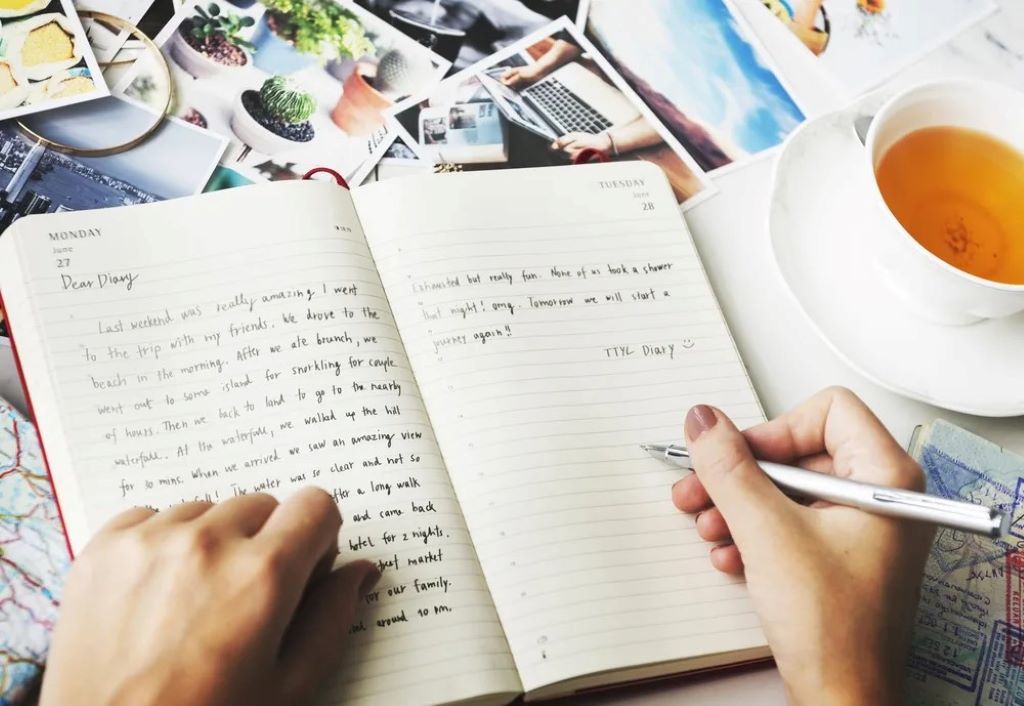
1. Thematic Travel Journals
Instead of a chronological diary, organize your journal by themes that reflect your interests:
- Food Journal: Sketch dishes, paste receipts, and note recipes from local chefs.
- Architecture Journal: Draw buildings, collect postcards, and write about design influences.
- Language Journal: Record phrases, doodle translations, and note cultural context.
Pro Tip: Use a Moleskine or Leuchtturm notebook for durability, and add pockets for tickets and mementos.
Example: A traveler in Italy created a “Coffee Journal”, documenting espresso rituals in each city. It later became a self-published zine.
2. Multimedia Travel Maps
Maps don’t have to be functional—they can be works of art. Try these approaches:
- Illustrated Maps: Sketch landmarks, streets, and hidden gems with watercolors or markers.
- Interactive Digital Maps: Use Google My Maps to pin photos, videos, and notes at each location.
- Fabric or Embroidered Maps: Stitch your route onto cloth for a tactile keepsake.
Pro Tip: Add legends with symbols (e.g., a coffee cup for favorite cafés, a heart for meaningful encounters).
Example: An artist’s hand-painted map of her solo backpacking trip through Southeast Asia was exhibited in a gallery and sold as prints.
3. Audio and Video Diaries
Capture the sounds and voices of your journey for a richer story:
- Audio Diaries: Record daily voice memos about your experiences, ambient sounds (markets, trains, nature), or interviews with locals.
- Video Vlogs: Shoot short, unscripted clips of your day—no fancy equipment needed. Use your phone and edit with CapCut or iMovie.
- Podcast Episodes: Turn your travels into a serial podcast, blending narration with on-location audio.
Pro Tip: Use a portable microphone like the Zoom H1n for clearer audio, and transcribe recordings with Otter.ai for future reference.
Example: A traveler’s “Sounds of the Silk Road” podcast gained a cult following and led to a BBC Radio collaboration.
4. Mixed-Media Scrapbooks
Combine photos, tickets, fabric, and handwritten notes into a tactile scrapbook. Use:
- Washi tape for borders.
- Pressed flowers or leaves from your travels.
- Local newspapers or receipts as backgrounds.
Pro Tip: Arrange items chronologically or by theme, and add handwritten captions to explain their significance.
Example: A scrapbook from a road trip across the American South became a family heirloom passed down through generations.
5. Digital Storytelling with Interactive Elements
For tech-savvy travelers, digital platforms offer endless creative possibilities:
- Interactive Timelines: Use TimelineJS to combine photos, videos, and text into a shareable story.
- 360-Degree Photos/Videos: Capture immersive scenes with a Ricoh Theta or your phone’s panorama mode.
- Augmented Reality (AR) Journals: Apps like HP Reveal let you overlay videos or notes onto printed photos.
Pro Tip: Platforms like Adobe Spark or Canva make it easy to create polished digital stories without design skills.
Example: A traveler’s AR-enhanced photo book of Japan allowed readers to scan images and watch videos of festivals and street performances.
6. Postcard and Letter Collections
Revive the lost art of snail mail by sending postcards or letters to yourself or loved ones. Include:
- Handwritten observations about the day.
- Small souvenirs like stamps or dried flowers.
- Doodles or sketches of your surroundings.
Pro Tip: Use postcard apps like TouchNote to send digital postcards that print and mail automatically.
Example: A traveler’s “Postcards to My Future Self” project became a TED Talk on mindful travel.
7. Travel-Themed Art Projects
Turn your experiences into art, whether you’re a seasoned artist or a beginner:
- Watercolor Sketches: Paint landscapes, street scenes, or portraits.
- Collages: Mix photos, fabric, and found objects.
- Travel-Inspired Poetry or Short Stories: Write about a single moment in vivid detail.
Pro Tip: Use a small sketchbook or travel watercolor set for portability.
Example: An illustrator’s “100 Faces of Morocco” series—sketches of people she met—was published as a coffee table book.
8. Social Media Micro-Stories
Instead of generic posts, use social media’s storytelling features to create engaging, serial content:
- Instagram Carousels: Share a 10-slide story about a single day.
- TikTok/Reels Series: Post daily 60-second recaps of your adventures.
- Twitter Threads: Narrate your journey in bite-sized, compelling tweets.
Pro Tip: Use hashtags strategically to reach niche audiences (e.g., #SlowTravel, #HiddenGems).
Example: A traveler’s “24 Hours in Lisbon” Instagram carousel went viral, leading to a collaboration with Visit Portugal.
Travel Blogging Tips: Turn Your Documentation Into Engaging Content
If you want to share your travels with a wider audience—or even monetize them—these travel blogging tips will help you stand out in a crowded space:
1. Find Your Unique Angle
The most successful travel blogs don’t try to cover everything. Instead, they focus on a specific niche or perspective:
- Budget Travel: “How I Explored Bali for $30 a Day.”
- Solo Female Travel: “Safety Tips for Women Traveling Alone in Latin America.”
- Cultural Deep Dives: “The Hidden Symbolism in Kyoto’s Temples.”
- Adventure Travel: “Hiking the Inca Trail: A Day-by-Day Guide.”
Pro Tip: Ask yourself: What can I offer that no one else can? Your personal experiences, expertise, or humor are your competitive edge.
2. Master the Art of Storytelling
Great travel writing transports readers to a place. Use these techniques:
- Show, Don’t Tell: Instead of “The market was busy,” write: “The air smelled of fried plantains and gasoline as vendors shouted over the din of honking motorbikes.”
- Use Dialogue: Quotes from locals or fellow travelers add authenticity.
- Build Suspense: Tease the reader with a question or cliffhanger at the start.
Example: A blogger’s post “The Night I Got Lost in Istanbul’s Back Alleys” used vivid descriptions and humor to keep readers hooked until the end.
3. Optimize for SEO (Without Sacrificing Storytelling)
SEO helps your content rank on Google, but keyword stuffing ruins readability. Balance both with:
- Natural Keyword Placement: Use long-tail keywords (e.g., “best vegetarian restaurants in Berlin”) in headings and naturally in the text.
- Engaging Meta Descriptions: Write click-worthy snippets (under 160 characters) that tease your story.
- Internal Linking: Link to related posts on your blog to keep readers engaged.
Pro Tip: Use AnswerThePublic to find questions travelers are asking, and answer them in your posts.
4. Use High-Quality Visuals
Photos and videos make or break a travel blog. Invest in:
- A good camera (even a smartphone with a great lens like the iPhone 15 Pro).
- Editing apps like Lightroom Mobile or VSCO for consistent filters.
- Unique angles: Avoid cliché shots—look for candid moments, details, and local life.
Example: A blogger’s “Golden Hour in Santorini” photo series went viral because she focused on locals’ daily routines instead of sunset clichés.
5. Engage with Your Audience
Building a loyal readership requires two-way interaction:
- Reply to comments and ask questions.
- Run polls or Q&As on Instagram Stories.
- Create a newsletter (using Substack or ConvertKit) for deeper connections.
Pro Tip: Collaborate with other travel creators to cross-promote and reach new audiences.
6. Monetize Strategically
Turn your blog into a revenue stream with these methods:
- Affiliate Marketing: Promote travel gear, books, or tours (Amazon Associates, Booking.com).
- Sponsored Posts: Partner with brands or tourism boards (always disclose partnerships).
- Digital Products: Sell e-books, printables, or online courses (e.g., “How to Travel Full-Time”).
- Memberships: Offer exclusive content via Patreon or a paid Substack.
Example: A travel blogger earned $8,000/month by combining affiliate links, sponsored content, and a “Travel Planning Template” digital product.
7. Stay Consistent and Authentic
The most successful travel bloggers post regularly and stay true to their voice. Whether you share weekly recaps or monthly deep dives, consistency builds trust.
Pro Tip: Batch-create content during downtime (e.g., flights or rainy days) to stay ahead.
Common Mistakes to Avoid When Documenting Travel
Even the most creative travelers make errors that diminish their memories or content. Steer clear of these pitfalls:
1. Over-Relying on Photos
Photos capture what you saw, but not how you felt. Balance images with journaling, audio, or sketches for a fuller story.
2. Waiting Until the Trip Is Over
Memories fade fast. Document daily—even just a few bullet points—to preserve details.
3. Ignoring Local Perspectives
Your travel story is more compelling when it includes locals’ voices. Interview shopkeepers, guides, or fellow travelers.
4. Posting Everything in Real Time
Sharing as you go can distract from the experience. Instead, take notes and post later for a more polished story.
5. Neglecting Backup Systems
Lost phones or damaged journals happen. Always back up photos and notes to the cloud (Google Drive, iCloud) or a portable hard drive.
6. Sticking to Clichés
Avoid generic phrases like “life-changing” or “breathtaking”. Instead, describe specific moments that moved you.
7. Forgetting the Sensory Details
Travel is more than visuals. Note smells, sounds, textures, and tastes to make your documentation immersive.
Expert Tips for Next-Level Travel Documentation
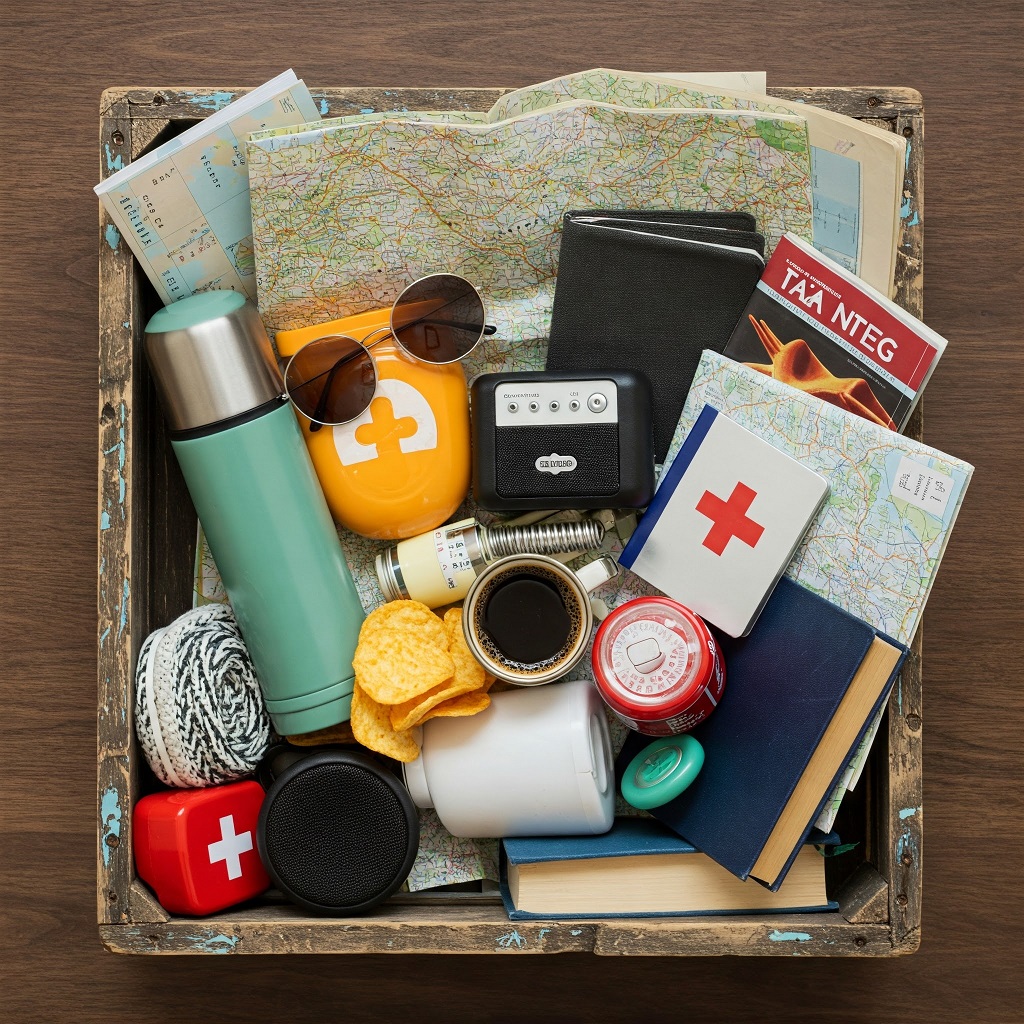
1. Pack a “Documentation Kit”
Bring a small, lightweight kit with:
- A notebook and pen.
- A portable charger for your phone/camera.
- A mini tripod for stable photos/videos.
- Stickers, washi tape, or a glue stick for scrapbooking.
2. Use the “5-4-3-2-1” Sensory Journaling Method
When documenting a moment, note:
- 5 things you see.
- 4 things you hear.
- 3 things you smell.
- 2 things you touch.
- 1 thing you taste.
Example: A traveler’s sensory journal entry about a Moroccan spice market later became the basis for a magazine article.
3. Create a “One Second Everyday” Video
Use the 1SE app to compile one-second clips from each day. The result is a dynamic, emotional recap of your trip.
4. Turn Receipts and Tickets Into Art
Instead of tossing them, arrange tickets, boarding passes, and receipts into a collage or shadow box.
5. Write Letters to Your Future Self
Use FutureMe.org to email yourself reflections, predictions, or advice to open in a year.
6. Interview Yourself
At the end of each trip, record a video or audio “debrief” answering:
- What surprised you?
- What would you do differently?
- What did you learn about yourself?
7. Geotag Thoughtfully
Instead of tagging every location in real time, save geotags for later to avoid broadcasting your whereabouts to strangers.
Reviews: What Travel Creators Say About Documentation
Anthony Bourdain, Late Travel Icon
“The best travel stories aren’t about the places—they’re about the people and the moments that change you. Document those, and you’ve got something special.”
Nuseir Yassin, Creator of Nas Daily
“Most travelers take photos. The ones who stand out tell stories. Use every tool—video, audio, text—to make your audience feel like they’re there with you.”
Jessica Nabongo, First Black Woman to Visit Every Country
“I document my travels to remember the lessons, not just the landmarks. A photo of a sunset is nice, but a journal entry about the conversation I had while watching it is priceless.”
Related Topics:
FAQs About Documenting Travel Experiences Creatively
1. What’s the best way to start documenting if I’m not creative?
Start small: Take one photo a day and write three sentences about it. Use templates or prompts (e.g., “Today I learned…”) to guide you.
2. How do I balance documenting with actually enjoying the trip?
Set specific “documentation times” (e.g., 10 minutes in the morning and evening). Prioritize experiences over content—if you’re having a magical moment, put the camera down.
3. What’s the easiest digital tool for beginners?
Canva (for visual stories) and Day One (for journaling) are user-friendly and powerful. Both have templates and cloud backup.
4. How can I make my travel documentation stand out on social media?
Focus on a unique theme or style (e.g., vintage filters, hand-drawn maps, or “day in the life” videos). Engage with your audience by asking questions or sharing behind-the-scenes content.
5. Can I monetize my travel documentation?
Yes! Blogs, YouTube channels, and Instagram accounts can earn money through sponsorships, affiliate marketing, and digital products. Start by building an audience with consistent, high-quality content.
6. What’s the best way to organize my travel memories after the trip?
Use a combination of physical and digital:
- Print photos for albums or scrapbooks.
- Organize digital files in folders by trip/date.
- Create a master document with highlights, lessons, and favorite moments.
7. How do I document travels with kids or in a group?
Assign roles (e.g., one person takes photos, another jots notes). Use shared albums (Google Photos) or collaborative journals (Notion) to combine everyone’s perspectives.
Conclusion: Turn Your Travels Into Stories That Last
Travel is more than a checklist of destinations—it’s a collection of moments, lessons, and transformations. Creative documentation ensures those experiences don’t fade into forgotten files but instead become stories you can relive, share, and even profit from.
From handcrafted journals to interactive digital stories, the methods in this guide will help you capture the essence of your adventures in ways that resonate long after you’ve returned home. Whether you’re documenting for personal joy, creative expression, or professional growth, the key is to start small, stay consistent, and infuse your unique perspective into every piece.
Your travels deserve to be remembered. Pick one creative documentation idea from this guide and try it on your next trip. The stories you preserve today could inspire your future self—or even the world.
What’s the first creative travel documentation idea you’ll try? Share your plans in the comments and start turning your adventures into lasting stories!