
Buying a hiking backpack can feel overwhelming. There are hundreds of options at every price point. Some cost as much as a plane ticket. Others look affordable but fall apart after a single trip. If you have ever stood in a gear shop or scrolled online wondering what you actually need, you are not alone.
The truth is, you do not need to spend a fortune to get a reliable hiking backpack. With a little knowledge and some patience, you can find excellent budget travel gear that holds up on the trail and keeps you comfortable throughout your adventure. This guide will show you exactly how to do that.
Why the Right Backpack Makes All the Difference
A hiking backpack is not just a bag. It is the piece of equipment you rely on the most when you are out in nature. It carries your food, water, shelter, and safety gear. It sits on your back for hours at a time. Therefore, fit, comfort, and durability are not optional extras. They are essential.
A poorly chosen backpack causes back pain, shoulder strain, and fatigue. It can also fail at the worst possible moment, like when a zipper breaks five miles from the trailhead. However, an expensive backpack does not automatically mean a better one. Many mid-range packs perform just as well as premium models for most hiking conditions.
Additionally, knowing what you actually need before you shop protects you from overspending on features you will never use. The goal is not to buy the cheapest bag available. The goal is to buy the right bag at the right price.
Know Your Hiking Style Before You Shop
Before you look at a single product, ask yourself one simple question: what kind of hiking do I do? This question shapes every decision that follows.
Day hikers need a pack in the 10 to 30 litre range. These are lightweight, simple, and generally much less expensive. Weekend backpackers need something in the 35 to 50 litre range to carry a sleeping bag, tent, and two days of supplies. Multi-day trekkers need 55 litres or more to handle everything required for extended time in the wilderness.
Buying a 70-litre pack when you only do day hikes is a waste of money. Similarly, squeezing a week of gear into a small daypack is a recipe for discomfort. Therefore, start with your hiking style and let that guide your size choice.
Essential Features Worth Paying For
Not all backpack features are created equal. Some matter a great deal. Others are gimmicks that add cost but little value. Here is what you should prioritize when evaluating affordable packs.
A Proper Suspension System
The suspension system includes the hip belt, shoulder straps, and back panel. Together, they transfer the weight of the pack from your shoulders to your hips. A good suspension system makes a heavy load feel manageable. Without it, your shoulders take all the strain.
Look for padded hip belts and shoulder straps even on budget packs. Some very cheap backpacks skip proper padding entirely. This is a sign to walk away, regardless of the price.
Durable Zippers and Buckles
Zippers and buckles are the first things to fail on a cheap backpack. YKK zippers are considered the industry standard for reliability. However, many budget-friendly packs now use quality equivalents. Check reviews specifically for comments about zipper durability before you buy.
Additionally, plastic buckles on hip belts and sternum straps should click firmly and feel solid. Buckles that feel flimsy in the store will break quickly on the trail.
Water Resistance and Rain Cover
Waterproofing is important for any outdoor adventure. Some packs use water-resistant fabric and include a rain cover. Others rely entirely on the rain cover. Either approach works. However, if the pack you are considering has neither, keep looking.
A DWR coating on the fabric adds water resistance and is common even on affordable packs. It will not keep your gear dry in a heavy downpour, but it handles light rain well. A packable rain cover gives you full protection when you need it most.
Hydration Compatibility
A hydration sleeve inside the pack and a port for a drinking tube adds convenience on longer hikes. Most budget packs in the 20-litre-and-above range include this feature now. It is worth confirming before you buy, especially if you prefer hands-free hydration.
Multiple Compartments and Pockets
Organisation matters more than most first-time buyers realise. Hip belt pockets keep snacks and your phone within easy reach. A separate sleeping bag compartment helps on overnight trips. Side pockets hold water bottles. These features are common even at budget price points.
Features You Can Safely Skip
Some features drive up the price without offering much benefit to recreational hikers. Knowing what to skip helps you focus your budget where it counts.
Ultralight materials like Dyneema or Cuben Fiber are used in premium packs to shave every possible gram. They cost significantly more. For most hikers, a pack that weighs a pound more will not ruin a trip. Therefore, do not pay a premium for ultralight fabric unless every gram genuinely matters to you.
Integrated GPS trackers and solar charging panels sound exciting. However, they add cost and often stop working after hard use. You are better served by a simple, reliable pack and a separate, purpose-built device.
Frame sheet upgrades and custom fit systems are valuable for serious long-distance hikers. However, recreational hikers will rarely feel the difference. Additionally, these features are difficult to evaluate without extensive trail time.
Smart Ways to Find Outdoor Gear Savings
Knowing where and when to shop is just as important as knowing what to buy. Outdoor gear savings are available year-round if you know how to look for them.
End-of-season sales are the best time to buy. Retailers discount outdoor gear heavily when seasons change. Buying a pack in autumn or early winter often means paying 30 to 50 percent less than the original price.
Outlet stores and gear co-ops are also excellent sources. REI Co-op, for example, runs regular garage sales where used and returned gear sells at deep discounts. You can find excellent quality packs at a fraction of the retail price.
Online marketplaces like eBay, Facebook Marketplace, and GearTrade carry used packs in good condition. Many hikers upgrade regularly and sell off older gear. Buying second-hand is a smart strategy for those starting out.
Additionally, newer or lesser-known brands often price their products aggressively to build a customer base. Brands like Teton Sports, Trekology, and Kelty consistently offer good quality at accessible price points.
How to Fit a Backpack Correctly
Fit is one of the most overlooked factors in buying a hiking backpack. A poorly fitted pack causes pain no matter how much you spend on it. Therefore, taking the time to fit a pack properly is essential.
Start by measuring your torso length, not your height. Torso length is measured from the top of your hip bones to the base of your neck. Most brands offer packs in small, medium, and large torso sizes. Using the right size makes a dramatic difference in comfort.
When trying on a pack, load it with some weight first. An empty pack feels very different from one carrying 20 pounds of gear. Adjust the hip belt so it sits on top of your hip bones. Then adjust the shoulder straps until they curve over your shoulders without gaps. Finally, connect the sternum strap across your chest and adjust the load lifter straps.
If you are buying online, check the brand’s sizing guide carefully and read reviews from people with a similar build to yours. A good return policy gives you confidence to buy without trying in person.
Evaluating Quality When Shopping Online
Most budget backpacks are purchased online these days. However, you cannot touch or try them first. There are ways to evaluate quality remotely.
Read reviews that mention durability specifically. Comments like “still holding up after two years” or “zipper broke after three uses” are far more useful than general star ratings. Look for reviews from people who use the pack in conditions similar to yours.
Check the fabric weight. Denier is the measure of fabric thickness. A 420D nylon or 600D polyester is a good baseline for durability. Fabrics below 200D tend to tear more easily.
Look at the stitching in product photos. Reinforced stress points at seams, shoulder strap connections, and hip belt attachments indicate better construction. These are the areas that fail first on low-quality bags.
Additionally, check whether the brand offers any warranty. Even a one-year limited warranty shows the manufacturer stands behind their product. This is a good indicator of overall quality.
Building a Budget Hiking Kit Around Your Backpack
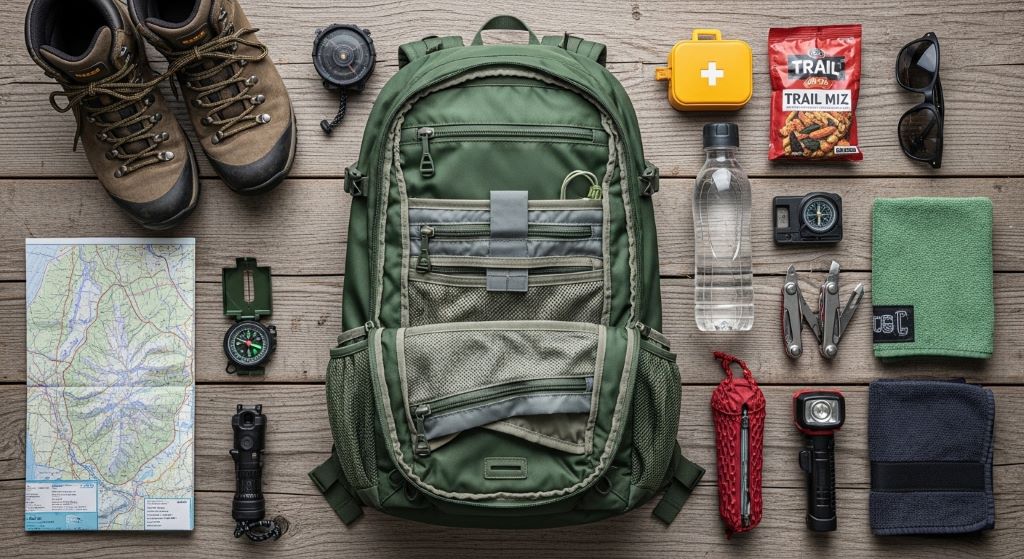
Your backpack is just the beginning. Smart hikers think about the full kit, not just one piece of gear. Choosing budget travel gear strategically across all your equipment helps you spend less overall without sacrificing safety or comfort.
Start with your most critical items: shelter, sleep system, and navigation. Invest a little more in these because they directly affect your safety. For lower-stakes items like trekking pole straps or gear organiser pouches, go budget without hesitation.
Packing light also extends the life of your backpack. Every kilogram of unnecessary gear creates additional wear and stress on the fabric, zippers, and frame. Therefore, being a disciplined packer is one of the best ways to protect your investment.
Caring for Your Hiking Backpack
A well-maintained backpack lasts for years, even decades. Proper care is simple and costs nothing beyond a little time.
- Empty and air out your pack after every trip. Moisture trapped inside encourages mould and odour.
- Spot clean with mild soap and a soft brush. Avoid machine washing unless the manufacturer specifically permits it.
- Store your pack loosely in a cool, dry place. Compressing it for long periods damages the foam in shoulder straps and hip belts.
- Lubricate zippers occasionally with a wax-based zipper lubricant. This prevents stiffness and extends their life considerably.
- Repair small tears and fraying immediately. A small patch or seam repair now prevents a much bigger problem later.
Additionally, re-apply DWR treatment when you notice water no longer beads off the fabric. Spray-on DWR products are inexpensive and restore water resistance effectively.
Red Flags to Watch Out For
Not all affordable packs are good value. Some are simply cheap. Knowing the warning signs helps you avoid wasting your money.
Unpadded shoulder straps are a clear sign of poor quality. No matter how light your load, thin straps without cushioning will dig into your shoulders within the first hour.
Very thin fabric with no denier rating listed is another warning sign. Manufacturers of quality products are proud of their materials and list them clearly. If the listing is vague, assume the quality is poor.
No customer reviews or overwhelmingly generic five-star reviews should also raise suspicion. Authentic reviews from real hikers are the most reliable source of honest feedback.
Finally, a brand with no return policy and no warranty is taking no responsibility for their product. This is a risk not worth taking, even at a very low price.
Conclusion
Buying a hiking backpack on a budget does not mean settling for discomfort or poor quality. It means shopping smart. Start by knowing exactly what type of hiking you do. Then focus your attention on the features that matter most: a good suspension system, durable zippers, water resistance, and the right size.
Shop strategically by timing your purchases around sales, exploring lesser-known brands, and considering quality second-hand gear. Always prioritise fit above everything else, because even the most expensive pack is useless if it does not sit correctly on your body.
Take care of whatever you buy and it will serve you for years. With the right approach, you can build a complete, reliable hiking setup without overspending. The trail is waiting, and your budget does not have to hold you back.
Frequently Asked Questions
1. What is a reasonable budget for a quality hiking backpack?
For a day pack, $30 to $60 is a reasonable range that covers reliable quality. For a weekend or multi-day pack, $60 to $120 gives you solid options with good suspension systems and durable materials. Spending more is worthwhile only if you hike very frequently or cover extremely challenging terrain.
2. Can I use a regular school backpack for day hiking?
For very short and easy walks, a regular backpack can work. However, for hikes over two hours, a purpose-made hiking pack is a much better choice. Hiking packs distribute weight more effectively, reducing fatigue and back strain. The difference is noticeable quickly, especially on uneven terrain.
3. How do I know what size hiking backpack I need?
Match the pack size to your trip length. Day hikes need 10 to 30 litres. One to two night trips need 35 to 50 litres. Three or more nights need 55 litres or above. Additionally, measure your torso length to choose the correct frame size within your chosen volume range.
4. Are second-hand hiking backpacks a good idea?
Yes, buying second-hand is a smart way to access quality outdoor gear savings. Many hikers sell perfectly good packs when they upgrade. Check the zippers, straps, buckles, and fabric carefully before buying. Avoid packs with damaged hip belts or torn shoulder strap padding, as these are expensive or impossible to repair.
5. How long should a hiking backpack last if I take care of it?
A quality hiking backpack, even at a modest price, can last ten years or more with proper care. Regular cleaning, proper storage, zipper maintenance, and immediate repairs make a significant difference. The main components that wear out first are the hip belt foam and zipper pulls, both of which can often be replaced.
Related Topics:
How to Choose a Carry-On Duffel Bag for Airline Travel
How to Compare Budget Luggage Bags in 2026 Before Buying