
Road trips through the mountains are unforgettable. The scenic views, the cool air, the freedom—it’s all magical. But if you’re prone to motion sickness, those winding roads can turn the journey into a nightmare. Motion sickness on mountain roads affects millions. According to the Centers for Disease Control and Prevention (CDC), nearly one in three people experiences motion sickness at some point. The constant twists and turns confuse your inner ear, eyes, and brain—creating a sensory mismatch that causes dizziness, nausea, and fatigue. Thankfully, you’re not doomed to suffer. With the right strategies, you can prevent motion sickness and reclaim your joy on the road.
Why Mountain Roads Trigger Motion Sickness
Mountain roads are notorious for sharp turns, sudden altitude changes, and visual disorientation. These are perfect conditions for motion sickness to thrive.
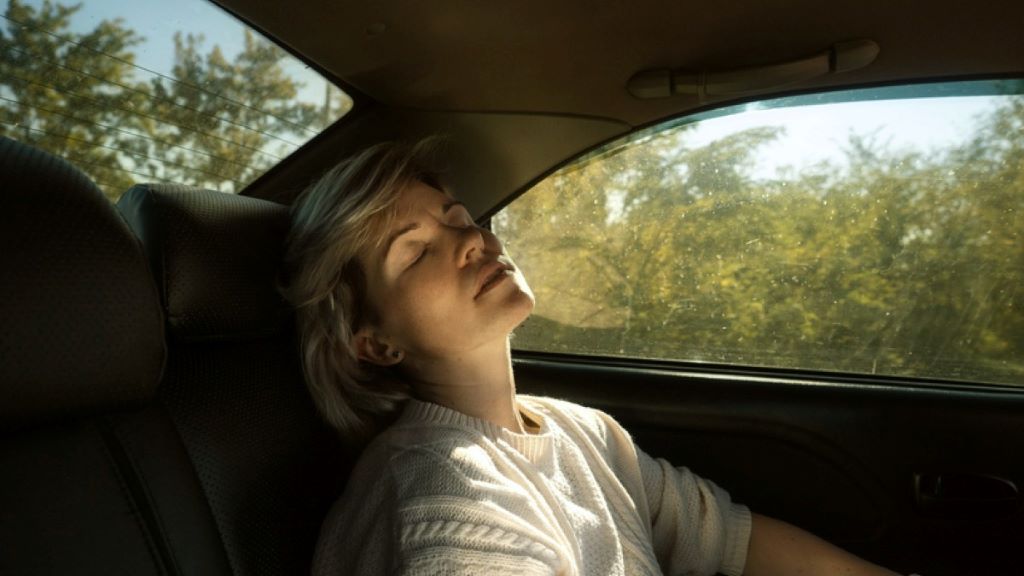
Your brain relies on signals from your inner ear, eyes, and muscles to understand movement. When your car twists and turns, your inner ear senses motion, but your eyes might see stillness—especially if you’re staring at your phone or book. This mismatch causes confusion, triggering nausea and dizziness.
The Logic Behind It
This response goes back to our evolutionary roots. According to neuroscientist Dean Burnett, the brain interprets the conflicting signals as poisoning. It responds by inducing vomiting—a protective mechanism.
Understanding this can help us fight it logically. If we can sync what the body feels with what the eyes see, we can reduce or prevent motion sickness.
Power Moves to Prevent Motion Sickness on Winding Roads
Here are field-tested, science-backed strategies that really work. They’ve helped drivers, passengers, and even professional rally racers stay nausea-free.
1. Sit in the Front Seat or Drive
Motion sickness is less common in drivers. Why? Because drivers are focused on the road and visually anticipating every turn. This keeps the brain’s signals in sync. If you can’t drive, sit in the front seat. It offers the widest view and the least motion sway.
2. Keep Your Eyes on the Horizon
Looking at a fixed point in the distance helps your brain match visual and vestibular inputs. Avoid reading or staring at your phone. Studies published in the Journal of Vestibular Research confirm that horizon gazing significantly reduces symptoms.
3. Crack a Window or Use Fresh Air
Stuffy cabins intensify nausea. Open a window or use air conditioning to circulate air. The fresh breeze helps your body calm its nausea response. Peppermint-scented fresheners can also provide relief. Peppermint oil has natural calming effects on the stomach, as supported by a study in the British Journal of Clinical Pharmacology.
4. Avoid Heavy or Greasy Meals Before the Trip
Foods high in fat take longer to digest, which increases the risk of nausea. Eat light, bland meals like toast, crackers, or bananas. Avoid alcohol or caffeine, as they dehydrate you and worsen motion sickness.
5. Try Acupressure Wristbands
Sea-Bands or similar acupressure devices target the P6 (Nei-Kuan) point on the wrist. According to a study in The Journal of Alternative and Complementary Medicine, these bands reduce nausea in pregnant women and chemotherapy patients. Many users report positive results during mountain travel.
6. Use Over-the-Counter Medication (With Caution)
Dramamine (dimenhydrinate), Bonine (meclizine), and scopolamine patches are effective but can cause drowsiness. Always test them before your trip and consult your doctor. According to WebMD, these drugs are most effective when taken 30 to 60 minutes before travel begins.
7. Hydrate Like a Pro
Dehydration worsens symptoms. Sip water throughout the trip. Avoid sugary drinks or sodas—they can increase bloating and discomfort. Electrolyte-infused water is a great option.
Professional Tips from the Road
We asked experienced travelers, hikers, and mountain drivers for their top advice.
Emma L., a travel nurse:
“Ginger tablets are my go-to. They’re natural, safe, and work better than meds for me.”
Science backs her up. A 2014 review in Nutrition Journal confirmed that ginger significantly reduces nausea.
Carlos M., a Colorado truck driver:
“I chew mint gum and keep my eyes on the road. I also take breaks often to reset.”
Breaks allow your vestibular system to recalibrate. Get out, stretch, and take a short walk every couple of hours.
Amy S., a mountain tour guide in Oregon:
“We always advise passengers to avoid scrolling or texting during the drive. Focus outside and stay relaxed.”
Featured Snippet – Q&A:
What is the best way to prevent motion sickness on winding mountain roads?
The most effective way is to sit in the front seat and focus on the road ahead. Keep your head stable, avoid screens, and breathe fresh air. Ginger, acupressure bands, and over-the-counter medication can help. Eat light, hydrate, and take regular breaks to reset your balance. Everyone’s body reacts differently, so combine multiple strategies for the best results.
Real Reviews from the Road
“Bonine saved our trip to Yosemite. No drowsiness, no nausea. Highly recommend!” – Jeff, TripAdvisor
“Sea-Bands actually worked better than I thought. I was skeptical, but I didn’t feel sick at all.” – Laura, Amazon
“We kept the car cool, used peppermint oil, and focused on the horizon. Not a single complaint from our kids!” – Rachel, travel blogger
Common Myths Busted
Myth 1: Only kids get motion sickness.
False. Adults are just as susceptible, especially if tired, dehydrated, or anxious.
Myth 2: You’ll outgrow it.
Not necessarily. Some people never do. Others develop it later in life, particularly after concussions or vestibular disorders.
Myth 3: Medications are always effective.
They help, but not for everyone. Some find natural remedies like ginger or acupuncture work better.
Frequently Asked Questions (FAQs)
1. Can you build tolerance to motion sickness?
Yes, frequent exposure with the right strategies can help your brain adapt over time.
2. Is motion sickness genetic?
There’s a hereditary component. If your parents get motion sick, chances are you might too.
3. What age group is most affected?
Children aged 2–12 are most vulnerable, but adults commonly experience it too.
4. Can anxiety make motion sickness worse?
Absolutely. Anxiety heightens bodily sensitivity and can trigger or worsen symptoms.
5. Are natural remedies really effective?
For many, yes. Ginger, peppermint, and acupressure have scientific backing and fewer side effects.
6. Should I eat before a mountain drive?
Yes, but keep it light. An empty or overly full stomach can increase discomfort.
7. Does music help with motion sickness?
Yes, calming music can reduce anxiety and distract the brain from conflicting signals.
Final Thoughts: Master the Mountain Roads
Preventing motion sickness on winding mountain roads is possible with preparation and awareness. There’s no one-size-fits-all solution, but combining techniques boosts success. From choosing the right seat to using ginger or motion-sickness bands, your choices matter.
Don’t let motion sickness steal your adventure. With these expert tips and proven tools, you can enjoy every mountain curve nausea-free.
Read More: How to Get to Antarctica: The Last Challenge
References:
-
CDC Motion Sickness Statistics
-
Journal of Vestibular Research
-
British Journal of Clinical Pharmacology
-
The Journal of Alternative and Complementary Medicine
-
Nutrition Journal
-
WebMD: Motion Sickness Treatment and Prevention