Ever thought about fly fishing in the wild, untamed beauty of Alaska? Denali National Park offers some of the best fly fishing experiences you can imagine. Whether you’re a seasoned angler or a complete newbie, this guide will help you navigate the ins and outs of Denali fly fishing. So, grab your gear, and let’s dive in!
Why Denali fly fishing?

The Allure of the Alaskan Wilderness
Imagine casting your line in crystal-clear streams surrounded by towering mountains and lush forests. Denali is not just about the fish; it’s about the whole experience. The serenity, the wildlife, and the breathtaking landscapes make it a fly fishing paradise.
The Fish
Denali is home to a variety of fish species, but the star of the show is the Arctic Grayling. Known for their beautiful, sail-like dorsal fins and their willingness to rise to a dry fly, these fish are a joy to catch. You’ll also find Rainbow Trout and Dolly Varden in these waters.
Getting Started
Gear Up
Before you head out, make sure you have the right gear. Here’s a quick checklist:
- Fly Rod and Reel: A 4 to 6-weight rod is perfect for Arctic Grayling.
- Flies: Dry flies, nymphs, and streamers all work well. Popular choices include Elk Hair Caddis, Adams, and Woolly Buggers.
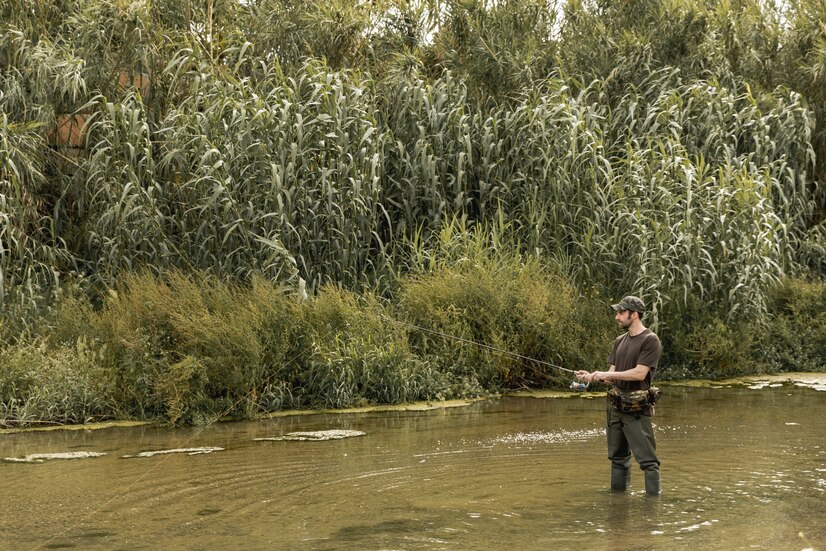
- Waders and Boots: The waters can be cold, so good waders and boots are essential.
- Polarized Sunglasses: These help you see the fish and protect your eyes.
- Insect Repellent: Trust me, you’ll need it.
Getting There
Denali National Park is accessible by car, train, or plane. The park is about 240 miles north of Anchorage and 120 miles south of Fairbanks. If you’re flying in, the closest major airport is in Fairbanks. From there, you can rent a car or take a shuttle to the park.
Best Spots for Fly Fishing
The Nenana River
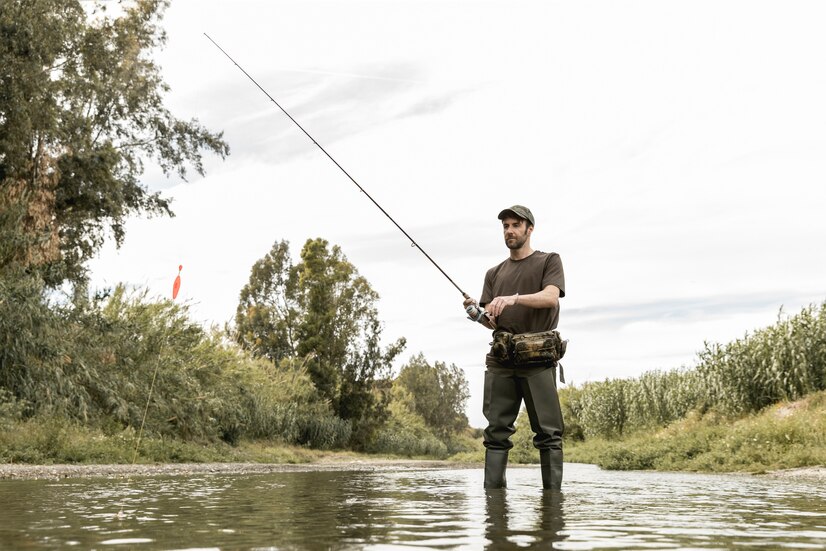
The Nenana River is a popular spot for fly fishing in Denali. It’s known for its healthy population of Arctic Grayling. The river is easily accessible and offers plenty of spots to cast your line.
Savage River
Savage River is another great spot, especially if you’re looking for a more secluded experience. The river is home to both Arctic Grayling and Rainbow Trout. The upper reaches of the river are particularly productive.
Wonder Lake
For a truly unique experience, head to Wonder Lake. The lake is known for its stunning views of Denali (the mountain) and its healthy population of fish. It’s a bit of a trek to get there, but the scenery and the fishing make it worth the effort.
Tips and Techniques
Reading the Water
One of the keys to successful fly fishing is reading the water. Look for areas where the current slows down, such as behind rocks or near the banks. These are often the spots where fish like to hang out.
Matching the Hatch
Matching the hatch means using flies that resemble the insects currently hatching in the area. Pay attention to what’s buzzing around and try to match your flies accordingly. This can make a big difference in your success rate.
Catch and Release
Practicing catch and release is important to maintain the fish populations in Denali. Use barbless hooks and handle the fish as little as possible. Wet your hands before touching the fish to protect their delicate skin.
Guided Trips
Why Hire a Guide?
If you’re new to fly fishing or just new to the area, hiring a guide can be a great idea. Guides know the best spots, the right techniques, and can provide all the gear you need. Plus, they can offer valuable tips and instruction to help you improve your skills.
Recommended Guides
- Denali Fly Fishing Guides: Based in Cantwell, they offer a variety of trips, from half-day excursions to multi-day adventures. They specialize in Arctic Grayling and provide all the necessary gear.
- Denali Angler: Another great option, offering guided trips in the Denali area. They focus on providing a personalized experience and cater to all skill levels.
When to Go
Best Time of Year
The fly fishing season in Denali typically runs from late May to early September. The best time to go depends on what you’re looking for. Early in the season, the rivers are high and fast with snowmelt, but the fish are hungry after the long winter. Late summer offers lower water levels and more stable conditions.
Time of Day
Fish are most active during the early morning and late evening. Plan your fishing trips around these times for the best results. Midday can be slower, especially on hot, sunny days.
Safety Tips
Wildlife Awareness
Denali is home to a variety of wildlife, including bears and moose. Always be aware of your surroundings and make noise to avoid surprising any animals. Carry bear spray and know how to use it.
Weather Preparedness
The weather in Denali can change quickly. Always check the forecast before heading out and be prepared for anything. Dress in layers and bring rain gear, even if the sky looks clear.
Conclusion
Denali fly fishing is more than just a fishing trip; it’s an adventure. The stunning landscapes, the thrill of the catch, and the peace and quiet of the Alaskan wilderness make it an experience you’ll never forget. So, pack your gear, head to Denali, and get ready for the fly fishing trip of a lifetime!