

A desert landscape where jagged granite boulders and the whimsical, gnarled branches of its namesake trees create a surreal, otherworldly scene—that’s the magic of Joshua Tree National Park. You’ve seen the stunning photos and heard the stories, and now you’re ready for your own desert adventure. But with limited time, how can you possibly see the best of Joshua Tree in just one day?
Don’t let the vastness of this sprawling national park intimidate you. The key to a successful day trip is smart planning and a strategic route. This comprehensive guide will walk you through a perfectly curated one-day Joshua Tree itinerary that allows you to hit all the essential highlights, from iconic rock formations to breathtaking panoramic views. We’ll show you how to maximize your time, avoid the biggest crowds, and truly experience the unique beauty of this California desert gem. Get ready for an unforgettable day trip filled with scenic drives, easy hiking trails, and incredible photo opportunities.
Pre-Trip Planning: The Essentials
Before you even get to the park, a little preparation goes a long way. Joshua Tree is a remote desert environment, and being prepared is not just a good idea—it’s a matter of safety.
- Best Time to Visit: The ideal seasons for a day trip are fall (September to November) and spring (March to May). The weather is mild, perfect for outdoor activities. Summer brings extreme heat, with temperatures often exceeding 100°F (38°C), making it dangerous for daytime hiking. Winter can be chilly, but it’s a great time for rock climbing and exploring with fewer crowds.
- Park Entrances: Joshua Tree has three main entrances. The most popular is the West Entrance, near the town of Joshua Tree, which provides the best access to the park’s main attractions. The North Entrance is located in Twentynine Palms, and the South Entrance is a great option if you’re coming from the I-10 freeway and want to see the Cholla Cactus Garden first.
- Fuel Up and Stock Up: There are no gas stations, restaurants, or grocery stores inside the park. Fill your gas tank and pack a cooler with plenty of water (at least one gallon per person), snacks, and a full lunch.
- Visitor Centers: Start your day at a visitor center, like the one in the town of Joshua Tree. You can get a physical map, chat with a park ranger, and use the restrooms before heading into the park.
- Cell Service: Be aware that cell phone reception is extremely limited throughout most of the park. Download offline maps and guides before you go.
Your One-Day Itinerary: From Sunrise to Sunset
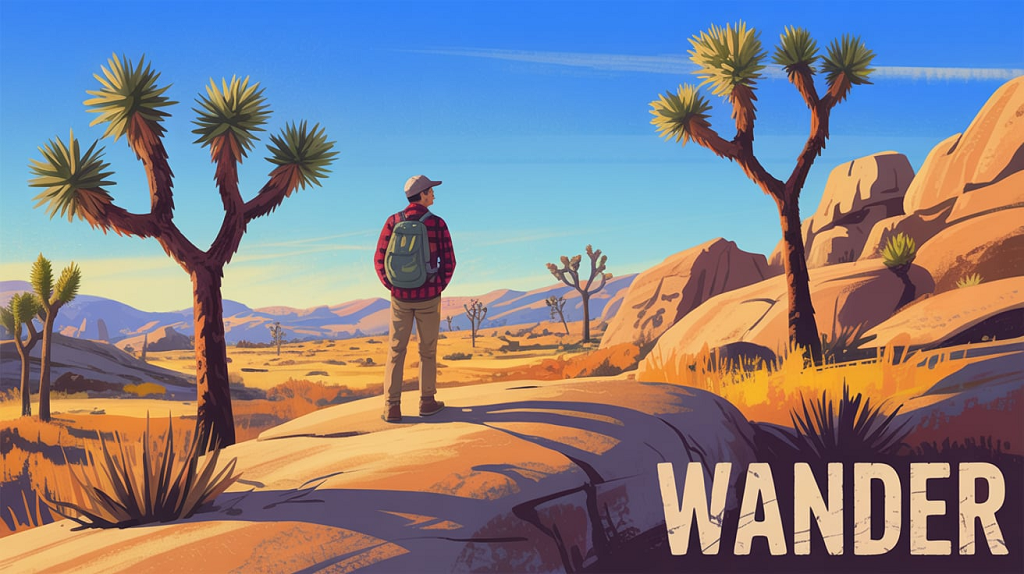
This itinerary is designed to take you on a scenic drive through the heart of the park, stopping at key landmarks and short, accessible trails. The route is linear and logical, minimizing backtracking and maximizing your time.
Morning (8:00 AM – 12:00 PM): Iconic Rocks and Desert Vistas
Stop 1: Hidden Valley Nature Trail
(Allow 1-1.5 hours) Start your day early to beat the crowds and the heat. The Hidden Valley Nature Trail is a perfect first stop. This 1-mile loop is tucked inside a “walled-in” valley, once used as a cattle rustler’s hideout. The trail winds through towering boulder formations, showcasing a dense concentration of Joshua trees and other desert flora. It’s an easy, flat walk that offers a perfect introduction to the park’s unique landscape and provides fantastic photo opportunities. You’ll likely see rock climbers in this area, which is a world-class climbing destination.
Stop 2: Barker Dam Nature Trail
(Allow 1 hour) Just a short drive from Hidden Valley, the Barker Dam Nature Trail is another popular 1.1-mile loop. This hike offers a glimpse into the human history of the park, leading you to a historic dam built by cattle ranchers. Depending on the season, you might find a small pool of water—a rare sight in the desert—that attracts local wildlife, including desert bighorn sheep. Interpretive signs along the trail provide fascinating insights into the area’s history and ecosystem.
Stop 3: Keys View
(Allow 45 minutes) Next, take the scenic drive up Keys View Road to one of the park’s most breathtaking viewpoints. Perched at an elevation of 5,185 feet, Keys View offers a panoramic vista of the Coachella Valley. On a clear day, you can see Palm Springs, the Salton Sea, and even the San Andreas Fault Line. The short, paved path is wheelchair accessible and makes for an easy and rewarding stop. This is a must-see scenic viewpoint and a prime spot for photography, with the desert stretching out endlessly below.
Afternoon (12:00 PM – 4:00 PM): Archways and Skulls
Stop 4: Jumbo Rocks and Skull Rock
(Allow 1-1.5 hours) Head back down Keys View Road and make your way towards Jumbo Rocks Campground. Even if you’re not camping, this area is a must-visit. The Jumbo Rocks are an incredible collection of massive granite boulders, perfect for scrambling and exploring. Right off the main road, you’ll find the famous Skull Rock. As its name suggests, this natural rock formation has two large indentations that make it look exactly like a human skull. It’s a popular spot for a quick photo op. You can park and walk directly to the rock, or take the 1.7-mile Skull Rock Nature Trail loop for a longer hike.
Stop 5: Arch Rock Nature Trail & Heart Rock
(Allow 1 hour) Continue your journey on Park Boulevard, turning onto Pinto Basin Road near the White Tank Campground. Park in the designated lot and take the short, 1.4-mile loop to Arch Rock. This natural granite arch is a stunning and iconic formation that makes for a great photo op. While you’re there, be sure to look for the unmarked spur trail that leads to Heart Rock, a surprisingly perfect heart-shaped boulder. The trail is easy and flat, winding through a beautiful rock garden.
Late Afternoon (4:00 PM – Sunset): A Fiery Conclusion
Stop 6: Cholla Cactus Garden
(Allow 30 minutes) For your final stop, continue south on Pinto Basin Road to the Cholla Cactus Garden. This unique, dense collection of “teddy bear” cholla cacti is a sight to behold. The short, flat, quarter-mile loop trail allows you to walk through the garden, but be sure to keep a safe distance—the spines of these cacti detach easily and are notoriously painful. The best time to visit the Cholla Cactus Garden is during golden hour or at sunset when the light illuminates the fuzzy spines, making the entire landscape glow. It’s a truly magical and memorable experience.
Read More Also: Delicious, Simple Recipes for Outdoor Adventures
Alternative & Add-on Activities:
- Ryan Mountain: If you’re a serious hiker, consider swapping out some of the shorter trails for the Ryan Mountain Trail. This challenging 3-mile round-trip hike offers a strenuous workout and rewards you with stunning 360-degree views of the entire park from one of its highest peaks.
- Wall Street Mill: For a dose of mining history, the 2-mile Wall Street Mill trail leads you to a well-preserved historic stamp mill and other artifacts from the park’s gold mining past.
- Stargazing: As a certified International Dark Sky Park, Joshua Tree offers unparalleled night sky viewing. If you can stay after sunset, find a quiet spot away from the road, lay back, and enjoy the brilliant display of stars.
Read More Also: Flavours and Attractions Turning Heads in Niagara Falls
SEO Policy & FAQs
Q1: Is one day enough to see Joshua Tree?
A: Yes, one day is enough to see the highlights of Joshua Tree National Park. While you won’t be able to explore every trail or hidden corner, a well-planned itinerary allows you to experience the park’s most iconic landscapes, rock formations, and scenic drives.
Q2: What are the must-see spots in Joshua Tree in one day?
A: The must-see spots include Hidden Valley, Keys View, Skull Rock, Arch Rock, and the Cholla Cactus Garden. These locations offer a diverse and comprehensive experience of the park’s geology, flora, and panoramic beauty.
Q3: How much does it cost to get into Joshua Tree National Park?
A: As of the current NPS guidelines, the entrance fee is a per-vehicle charge that is valid for 7 days. You can also use an annual America the Beautiful Pass. Check the official NPS website for the most up-to-date fee information.
Q4: Can I see Joshua Tree without hiking?
A: Absolutely! While many of the best sights are on short walking trails, you can still experience a lot from your vehicle. The scenic drives, especially along Park Boulevard and to Keys View, offer stunning views without requiring any hiking.
Q5: What should I pack for a day trip to Joshua Tree?
A: Pack plenty of water, sunscreen, a wide-brimmed hat, comfortable walking shoes, and layers of clothing, as desert temperatures can fluctuate dramatically. Don’t forget your camera for incredible photo ops!
The Last Word: A Day to Remember
Spending a day in Joshua Tree National Park is a chance to escape into a landscape that feels both ancient and alien. Following this one-day itinerary will ensure you don’t miss the essential experiences, from the geological wonders of Skull Rock and Arch Rock to the stunning views from Keys View. Whether you’re an avid hiker, a passionate photographer, or simply a nature lover, this desert playground offers a truly unique and memorable day trip.