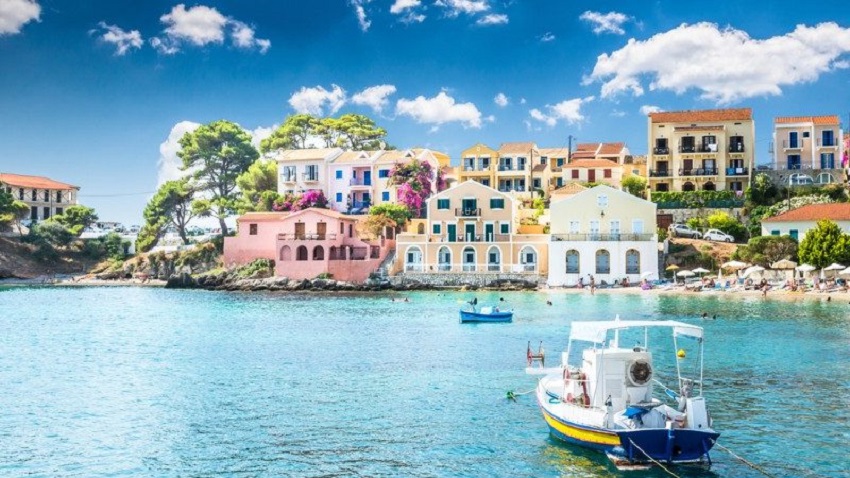

Island hopping in the Bahamas can cost far less than most travelers expect, provided you choose the right islands and lock in the expensive parts early. The question is rarely whether the Bahamas is affordable—it is whether you can connect the Out Islands without blowing your budget on flights and ferries. This guide breaks down what a realistic budget looks like, which routes make sense, and the mistakes that quietly drain your wallet. It draws on general travel knowledge, and for anyone coupling a Bahamas trip with time in South Florida, a Miami travel and lifestyle guide can help frame the mainland portion of the journey.
Quick answer: To island hop the Bahamas cheaply, base yourself in Nassau or Grand Bahama and day-trip to nearby cays, or use budget domestic flights and mailboats to reach the Out Islands. Book inter-island transport and lodging early, travel in low season, and keep hops short—ferry rides and short flights cost far less than long ones.
What is island hopping?
Island hopping in the Bahamas means traveling between several islands in a single trip, usually three to five, connected by ferry, small plane, or mailboat. The country holds around 700 islands and cays, though fewer than thirty are inhabited in any practical sense. That geography shapes every budget decision you will make.
The Bahamas breaks into two travel worlds. Nassau and Freeport are the busy, well-served hubs with the most flights, hotels, and tour operators. The Out Islands—places like Eleuthera, Exuma, Abaco, Andros, and Cat Island—are quieter, cheaper in some respects, and harder to reach. Understanding this split is the first step in planning.
Inter-island transport comes in several forms:
- Ferries connect Nassau with nearby islands such as the Exumas and Eleuthera. They are the cheapest option per mile.
- Domestic flights on small carriers link the main Out Islands, but fares add up fast.
- Mailboats are working cargo vessels that carry passengers for modest fares. They are slow and schedule-dependent but genuinely economical.
- Charter boats are the most expensive option and rarely fit a tight budget.
The cost of a hop rises with distance and scarcity. A short ferry to a neighboring cay can cost a fraction of a flight to a distant island. Budget-minded travelers therefore cluster their stops rather than spreading them across the archipelago.
A realistic budget sketch
Prices shift with season, so treat any figure as a planning reference rather than a quote. Still, the pattern holds: accommodation and inter-island transport dominate spending. Food and activities are easier to control.
| Expense | Budget approach | Rough relative cost |
|---|---|---|
| Lodging | Guesthouses, small inns, or rentals | Moderate |
| Inter-island transport | Ferries and mailboats | Low |
| Food | Local eateries and groceries | Low to moderate |
| Activities | Beaches, snorkeling from shore, hiking | Free to low |
Notice how much of the budget you can protect by choosing ferries over flights and local food over resort dining. That balance is the core of a cheap island-hopping trip.
Takeaway: Map your islands around a single base or a tight cluster, then match each hop to the cheapest transport that fits the distance.
Why island hopping matters

Travelers who stay at one resort experience a single version of the Bahamas. Hopping between islands reveals how varied the country actually is. Andros has the world’s third-largest barrier reef and a maze of blue holes. Eleuthera offers pink-sand beaches and small settlements. Exuma’s cays and swimming pigs draw day-trippers. Each island has a distinct rhythm.
Variety also stretches your money. Out Islands lodging often costs less than Nassau’s resort rates, and food from local shops and roadside stands is cheaper than hotel dining. Spreading nights across several islands lets you balance a splurge on one with a stretch of frugal days on another.
From a logistics standpoint, island hopping rewards flexibility. You can build a trip that matches your pace rather than a fixed itinerary. Island hopping also lets you follow the season. Some islands are better suited to particular times of year for weather and fishing, so a movable plan gives you more options.
There is a cultural payoff too. The Out Islands are home to smaller communities with strong local traditions, from settlement-day celebrations to family-run conch shacks. Moving between them is a way to meet the Bahamas beyond the cruise port.
The cheapest hops are the shortest ones. Two islands thirty minutes apart by ferry usually cost less than one hour-long flight, even when the flight looks cheap at first glance.
Takeaway: Hopping is not just about seeing more—it is a strategy that spreads your spending and gives you the freedom to match islands to your budget and season.
Best practices
A cheap island-hopping trip is built on a handful of habits. Start with a base. Picking one affordable hub, then taking short trips outward, saves both transport costs and the time lost to constant packing and moving.
Book inter-island transport early, especially flights. Small carriers fill up, and last-minute fares climb. Ferries are more forgiving but still benefit from advance planning in high season. Confirm schedules close to your travel date, because island services change with weather and demand.
Travel in low season. Rates for lodging and flights soften outside peak periods, and the islands are quieter. Do your homework on hurricane season and its effect on refundable bookings.
Practical habits that protect your budget
Pack light and use a cloth bag or small carry-on. Small aircraft and ferries often charge for extra luggage, or restrict it outright. Every avoided baggage fee is money for food or excursions.
Eat where locals eat. Ask at your guesthouse for the nearest conch stand or grocery. Cooking a few meals in a rental kitchen can cut food costs significantly.
Use cash for small purchases and keep small bills handy. Some family-run businesses and transport providers accept cards, but cash keeps things simple on remote islands. A little flexibility helps when a ferry runs late or a schedule shifts.
Island transport can slip. Leave at least one unplanned day before your flight home so a delayed mailboat or canceled hop does not cost you a return fare.
Takeaway: Choose a hub, book transport early, travel off-peak, and pack light—four habits that keep most of your money for the islands themselves.
Common mistakes to avoid
The most expensive mistake is treating the Bahamas as one place with frequent, cheap connections. Inter-island travel is real and workable, but it is not like catching a city bus. Plan each hop as a deliberate booking.
Another common error is over-scheduling. Travelers squeeze five islands into a week and spend their trip in transit. Fewer islands, longer stays, and short hops make a cheaper and calmer trip.
Skipping the transport research is a third trap. Ferries operate on set days, and mailboats follow cargo schedules. Arriving on the wrong day can strand you or force an expensive last-minute flight. If your route includes the capital region, a Bimini day trip from Miami can pair short crossings with a flexible island schedule, which keeps a mainland leg efficient.
Travelers also forget that flights and ferries do not always connect smoothly. Book with a full day between arrivals when possible. Overnighting near a ferry terminal can be cheaper than a rushed flight.
Finally, avoid assuming beach access is always free. Some resort beaches restrict access, and some cays are private. Ask before you go, and favor public beaches and settlements.
Takeaway: Slow down, respect the schedules, and confirm access—most budget blowouts trace back to rushed plans and unchecked connections.
FAQ
How much should I budget per day for island hopping?
Plan for modest daily spending on Out Islands and more in Nassau. Lodging is the biggest variable, so book guesthouses and cook some meals. Transport costs depend on how many hops you make.
Is it cheaper to fly or take a ferry between islands?
Ferries are usually cheaper, especially over short distances. Small domestic flights save time but cost more per hop. Choose ferries for close islands and flights only when distance or schedule demands it.
What is the best time of year for a budget island-hopping trip?
Low season usually brings softer lodging rates and fewer crowds. Check weather patterns and book refundable options. Avoid peak holiday weeks when fares and room rates climb.
Can I island hop the Bahamas without a car?
Yes. Many islands are small enough to explore on foot or by bicycle, and local transport is available near ferry terminals. Ask your guesthouse about taxis and shared rides before you arrive.
How many islands can I realistically visit in a week?
Three or four islands makes a comfortable week, with short hops and at least two nights each. Trying to see more means spending your budget on transport instead of experiences.
Conclusion
A budget island-hopping trip in the Bahamas comes down to a simple trade: fewer, shorter hops and more time on each island. Choose a small set of stops, book ferries and short flights early, travel off-peak, and keep your spending on lodging and food in check. The rewards are real—quiet beaches, varied landscapes, and a fuller picture of the islands. Start by sketching a three-island route around a single hub, then price the ferries and flights before you book anything else.