The Impact of Technology on the Modern Real Estate Market

Key Takeaways

  • Discover how technology has streamlined buying and selling homes.
  • Understand the benefits of digital platforms in real estate.
  • Learn about standard tools and applications in the market today.

Introduction to Technology in Real Estate

Technology has revolutionized the real estate sector, making processes more efficient and improving the experience for buyers, sellers, and agents. Features such as virtual tours, online listing services, and electronic contracts have increased the efficiency and accessibility of transactions. Potential buyers can view properties from afar while sellers gain enhanced visibility. Moreover, insights based on data enable agents to offer tailored suggestions, ensuring a smooth experience for everyone involved.

Having trusted advisors is essential for those navigating the competitive housing market. Upper St. Clair real estate experts Coulter & Castillo Group combine their local knowledge with modern tools to guide clients effectively. By leveraging technology alongside their expertise, they help clients find the right property or buyer, ensuring smooth and successful transactions.

Digital Platforms for Home Buyers

In today’s real estate market, digital platforms have transformed buyers’ operations, giving them unprecedented power. These platforms offer more than just property listings; they present a comprehensive range of customizable tools tailored to individual buyer preferences. The era of combing through countless print ads is over. Now, buyers can utilize advanced search filters to locate properties that fit their specifications, including specific locations, price ranges, and property sizes. Many platforms also provide additional features like mortgage calculators, neighborhood assessments, and direct property comparisons to enrich the buyer’s experience.

This digital accessibility also means that buyers are not confined to local options. They can explore properties in different regions and countries, breaking the geographical barriers that once confined real estate prospects. This is particularly relevant for investors looking to diversify their portfolios or families considering relocation to more desirable living environments.

The Impact of Virtual Tours

Virtual tours are transforming how prospective buyers view properties remotely. By offering an engaging and immersive experience, these tours enable buyers to explore a property as if they were there, examining every detail closely. This advancement in technology is significant when physical movement is limited. The necessity for in-person visits, which can be costly and time-consuming, has significantly decreased thanks to virtual tours. They eliminate the need for numerous trips for people relocating from far locations, saving them time and money.

Real-Time Data and Market Analysis

The availability of real-time data has radically altered the way that transactions are carried out in the real estate market. Advanced data analytics tools allow potential buyers and sellers to instantaneously monitor housing trends, pricing dynamics, and neighborhood developments. This immediate access to data ensures that both parties are well-informed and equipped to make decisions aligned with the latest market conditions. Furthermore, sellers can optimize their timing for listing properties, while buyers can determine the best time to make purchases, leading to potentially significant financial advantages.

Enhancing Communication and Accessibility

Technology has also ushered in a new era of communication and accessibility in real estate transactions. Virtual communication tools like Zoom or Google Meet have become standard, allowing seamless dialogue between agents and clients regardless of physical location. This is particularly beneficial in maintaining active communication channels and ensuring that clients receive timely updates and advice, which can be critical in a fast-moving property market. Additionally, these digital interfaces guarantee that documents can be exchanged and reviewed swiftly, further streamlining transaction processes.

Securing Transactions Online

Ensuring digital security is crucial in our internet-centric world, especially as significant financial transactions like real estate deals are carried out online. To counter the threats of data breaches and fraud, blockchain technology is being adopted for its robust security features. It provides a transparent ledger of all transactions, making it virtually impossible for unauthorized alterations to go unnoticed. The adoption of blockchain not only secures financial transactions but also assures prospective buyers and sellers of the authenticity of property records. The potential of blockchain technology to revolutionize security in real estate is a fascinating area of discussion, promising a future with decreased fraud and increased trust.

The Future of Real Estate Technology

The horizon of real estate technology gleams with further possibilities, particularly by incorporating artificial intelligence and machine learning. These technologies are expected to redefine predictive analytics, offering insights into consumer behavior and housing trends with unprecedented accuracy. Such predictive capabilities can guide stakeholders in anticipating market changes and tailoring offerings that align with consumer demands, thereby enhancing the efficiency of the buying and selling processes.

AI and machine learning technologies will likely foster more personalized customer experiences as they advance. AI-driven platforms will suggest properties based on user preferences and past interactions. This level of personalization represents just the tip of the iceberg regarding what the future holds for real estate transactions, suggesting a sector that will be infinitely more dynamic and responsive to individual needs.

Image Source:

Traveling? Time to Check Out Some Great Food

Whether you love to take a road trip and bring snacks or you want to fly across the world to eat an exotic dish, travel, and food go together like peanut butter and jelly. You don’t need to have a foodie mindset or refined taste buds to enjoy quality food that will add to the adventure you’re already having. If you’re unsure where to start your new adventure, you’re not alone, but it’s as easy as planning a trip and checking out the local cuisine. Here’s what to know.

The Role of a Real Estate Agent in Negotiating Your Home Price

Key Takeaways:

  • Understanding the importance of a real estate agent in the negotiation process.
  • Insights into the strategies used by agents to secure the best price.
  • The benefits of professional negotiation expertise when buying or selling a home.

Introduction

When buying or selling a home, the negotiation process can significantly influence the final price and terms of the sale. Engaging a seasoned real estate agent can be invaluable, as they bring skill and industry knowledge. For instance, the San Francisco real estate team Laufenberg Wyman Team is renowned for their expertise in guiding clients through complex negotiations, ensuring favorable outcomes. Whether navigating a competitive market or managing the finer details of a deal, a real estate agent’s role in negotiation is crucial.

It’s not just about the price tag; successful negotiation involves understanding market dynamics, assessing property value, and positioning offers strategically. The importance of having a professional with a nuanced understanding of these elements cannot be overstated.

The Importance of an Agent in the Negotiation Process

Real estate agents have up-to-date market knowledge and negotiation experience, enabling them to advocate effectively for clients. They analyze market trends, assess comparable home sales, and determine a property’s value. This preparation is critical in setting a realistic and competitive price point.

Moreover, agents bring an unbiased perspective, which can be particularly beneficial during emotionally charged negotiations. They act as intermediaries, which helps facilitate productive and tension-free discussions between buyers and sellers.

Strategies Agents Use to Negotiate

A successful negotiation strategy goes beyond simple price haggling. Agents employ various tactics, such as leveraging market conditions to their client’s advantage, highlighting property strengths, and tactfully addressing any potential concerns. According to NAR Realtor, effective communication is a cornerstone of successful negotiations, and agents excel at articulating offers clearly while listening to all parties involved.

Agents also comprehensively review all contractual terms to ensure that the agreements align with the client’s interests. This attention to detail can prevent issues from arising after the sale concludes.

Benefits of Professional Negotiation Skills

Professional negotiation skills impact not only the price but also the overall terms of the transaction, which can include contingencies, closing costs, and repair requests. By having an agent handle these aspects, clients often secure terms that might otherwise be overlooked. Insights from the Forbes article on negotiation tactics underscore the importance of relationship building, timing, and patience—skills at which experienced agents excel.

An agent’s ability to handle negotiations can lead to quicker sales, smoother transactions, and a less stressful experience for buyers and sellers alike.

Conclusion

In real estate deals, the negotiating stage is crucial. Having a knowledgeable agent who understands the intricacies of negotiation can make a significant difference in the outcome. Their role extends beyond acquiring the best price to ensuring terms that protect their clients’ interests and enhance the buying or selling process.

To maximize benefits in real estate dealings, enlisting a professional agent can undoubtedly offer a competitive edge in today’s fast-paced market.

Image Source

Discover the Surprising Truth: Women’s Bike Seats vs. Men’s

Yes, women’s bike seats are different from men’s due to anatomical differences in pelvic structure. Women’s bike seats are usually wider and have shorter noses to provide better support and comfort for the female anatomy.

When choosing a bike seat, women need to consider their unique needs and preferences to ensure a comfortable riding experience. Finding a seat that fits well can help prevent discomfort, numbness, and pain during long rides. Investing in a quality women’s bike seat can enhance performance and enjoyment while cycling.

How to Cycle on Rollers: Mastering Indoor Cycling

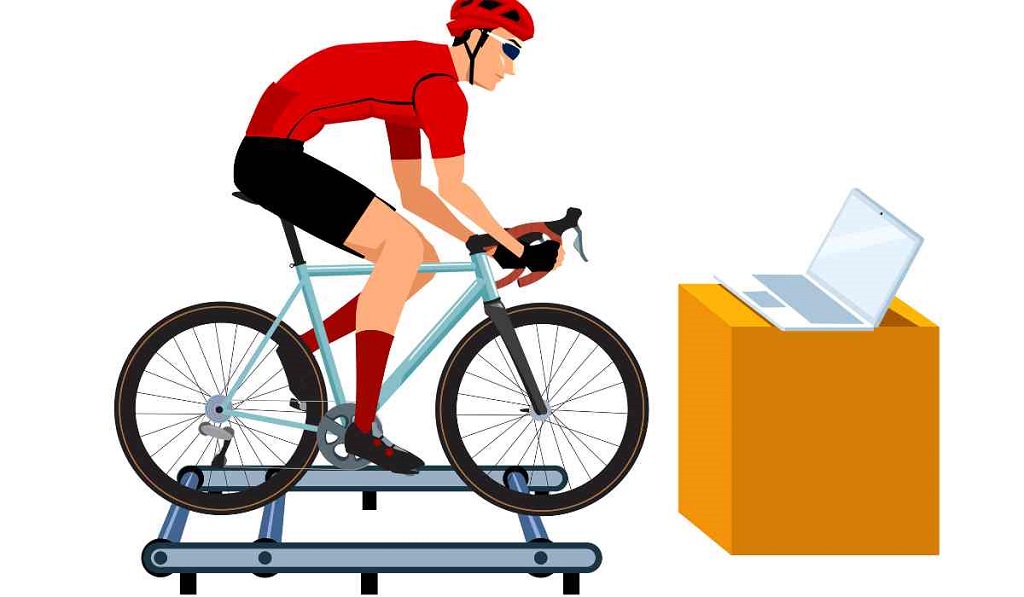
Cycling on rollers involves setting up your bike, positioning the front wheel, and finding balance while riding. It’s a traditional but effective indoor cycling technique for improving balance and stability.

Engaging in roller cycling not only provides a rigorous workout but also enhances your bike handling skills. As a beginner, getting started on rollers might seem challenging, but with practice and the right guidance, you can quickly adapt to this cycling method.

Wellness Retreats: A Journey to Rejuvenation

Imagine you’re surrounded by lush greenery, the gentle sound of a babbling brook in the background, and the warm sun kissing your skin. All around you, people are smiling, relaxed, and radiating positivity. You take a deep breath, inhale the crisp, clean air, and exhale all your worries and stress. Welcome to the world of wellness retreats – your passport to rejuvenation and inner peace. We suggest visiting laser hair removal in Manhattan.

A snapshot of the Oxford property market

Oxford is always going to be a sought after destination for academics, but the city is about more than its famous university. It has a reputation that draws people in from all around the world, and recent developments have only seen it increase in popularity. There is a lot to attract people to Oxford and that is reflected in its property market, which may have become more desirable than its rival Cambridge.