
Pampa Travel Desert Rare Wildlife Sightings

How to Carry Refrigerated Medicine While Traveling
December 17, 2025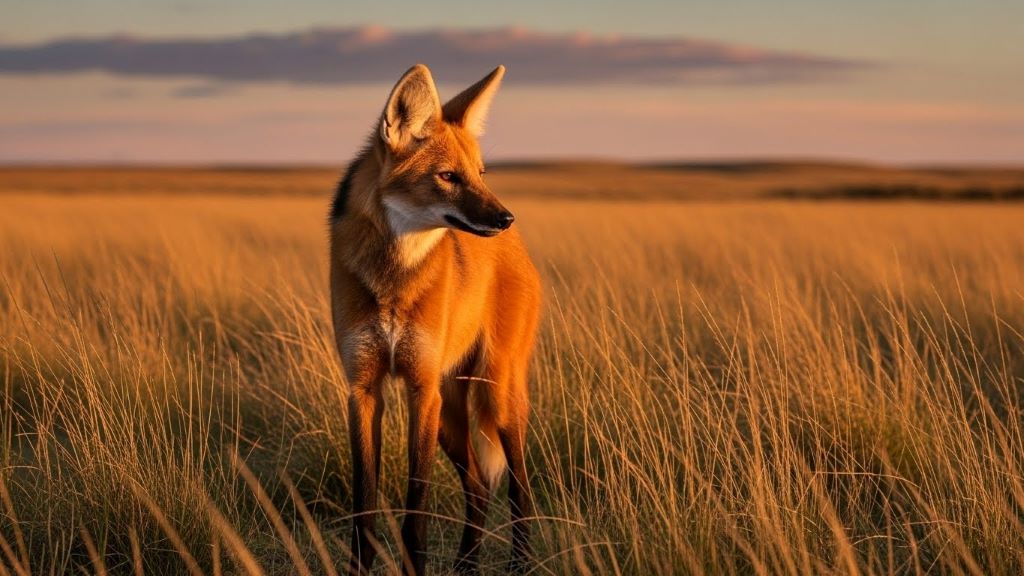
The Pampas region stretches across South America, offering travelers a unique glimpse into one of the world’s most fascinating ecosystems. While many associate pampas with grasslands, the transition zones near desert areas create extraordinary opportunities for rare wildlife sightings. These arid landscapes harbor species that have adapted to harsh conditions over millennia.
Travelers venturing into these remote areas often return with stories of unexpected encounters. From elusive mammals to colorful birds, the pampa-desert interface supports biodiversity that surprises even experienced naturalists. Additionally, the sparse vegetation and open terrain make wildlife spotting easier compared to dense forests.
Understanding the Pampa Desert Ecosystem
The pampa desert ecosystem represents a transitional zone between grasslands and true deserts. This unique environment experiences extreme temperature fluctuations throughout the day. During summer months, daytime temperatures can exceed 40 degrees Celsius, while nights bring surprising cold.
Rainfall in these regions remains sparse and unpredictable. Most precipitation occurs during brief seasonal periods, transforming the landscape temporarily. However, the vegetation that survives here has developed remarkable adaptations. Shrubs and grasses with deep root systems dominate the terrain, providing shelter for various animal species.
The soil composition varies significantly across different areas. Sandy patches alternate with harder clay surfaces, creating microhabitats. Therefore, wildlife distribution follows these subtle environmental variations. Understanding these patterns helps travelers maximize their chances of memorable sightings.
Rare Mammals of the Pampa Desert
Several rare mammal species call the pampa desert home. The Pampas cat, a small wild feline, remains one of the most sought-after sightings. This secretive animal hunts primarily at dawn and dusk, making it challenging to observe. Nevertheless, patient travelers occasionally spot these cats prowling near rocky outcrops.
The maned wolf, despite its name, belongs to the canid family but stands alone taxonomically. Its long legs allow efficient movement through tall grasses. These remarkable animals have a distinctive reddish coat and black mane. Furthermore, their omnivorous diet includes fruits, making them important seed dispersers.
Viscachas, rabbit-like rodents, create elaborate burrow systems called vizcacheras. These structures can house colonies of dozens of individuals. The animals emerge during cooler hours to feed on available vegetation. Their alert behavior and quick reflexes help them avoid predators.
According to the World Wildlife Fund, many pampa species face habitat loss pressures. Conservation efforts focus on protecting remaining wilderness areas. Ecotourism provides economic incentives for local communities to preserve these habitats.
Avian Treasures in Arid Landscapes
Bird enthusiasts find the pampa desert region particularly rewarding. The area hosts both resident and migratory species throughout the year. Consequently, different seasons offer varied birding opportunities.
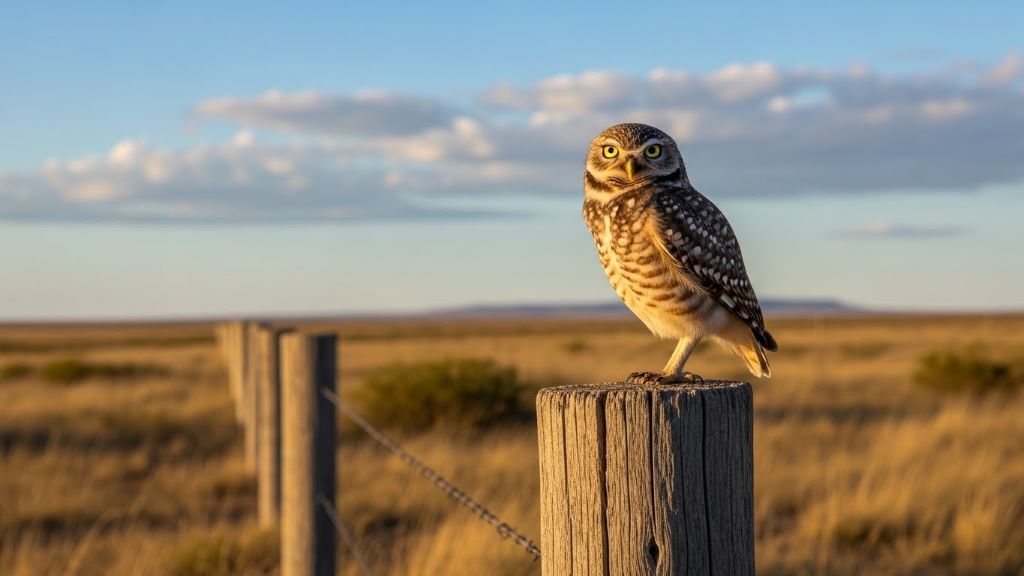
The burrowing owl makes its home in abandoned viscacha burrows. These small raptors can be seen perched on fence posts or mounds. Their curious nature sometimes allows close approaches, delighting photographers. Additionally, their distinctive calls echo across the plains at night.
Rheas, South America’s largest birds, roam the open spaces in small groups. These flightless birds resemble ostriches but belong to a different order. Males perform elaborate courtship displays during breeding season. They also take sole responsibility for incubating eggs and raising chicks.
The elegant crested tinamou prefers areas with scattered shrubs. This ground-dwelling bird produces haunting whistles that carry across distances. However, its cryptic plumage makes visual detection difficult. Spotting one requires patience and careful observation.
Raptors including the crowned eagle and chimango caracara patrol the skies. These predators hunt small mammals and reptiles across the plains. Their presence indicates healthy ecosystem functioning. Moreover, watching their hunting behavior provides endless fascination.
Reptiles and Amphibians Worth Seeking
Despite the harsh conditions, several reptile species thrive here. The yarará pit viper represents the most dangerous snake in the region. Travelers should exercise caution when walking through vegetation. However, these snakes typically avoid human contact when possible.
The Argentine black and white tegu, a large lizard, actively forages during warmer months. These intelligent reptiles sometimes investigate campsites, seeking food scraps. Their bold behavior makes them easier to observe than many species. Nevertheless, maintaining respectful distance remains important.
Several smaller lizard species dart across rocks and sandy areas. The painted tree iguana displays vibrant colors during breeding season. These agile climbers seek refuge in scattered bushes when threatened. Additionally, their territorial displays include impressive head-bobbing sequences.
Amphibians face particular challenges in arid environments. The Argentine horned frog, however, has adapted remarkably well. This species remains dormant underground during dry periods. When rains arrive, they emerge to breed in temporary pools.
Best Times and Locations for Wildlife Viewing
Timing significantly impacts wildlife encounter success rates. The cooler months between April and September offer comfortable conditions. During this period, many animals remain active throughout the day. Summer heat restricts most wildlife activity to early morning and evening hours.
Certain locations within the pampa desert region provide better opportunities. Protected areas and national parks enforce regulations that benefit wildlife. These zones often maintain water sources that attract animals during dry seasons. Furthermore, local guides possess invaluable knowledge about animal movements and behaviors.
The National Geographic Society regularly features stories about South American wildlife. Their coverage highlights both conservation challenges and success stories. Reading such resources helps travelers prepare for their adventures.
Spring months bring additional excitement as many species breed. Baby animals accompany adults, providing adorable photo opportunities. However, visitors should never approach or disturb breeding wildlife. Maintaining ethical viewing practices ensures animals remain undisturbed.
Responsible Wildlife Tourism Practices
Observing rare wildlife requires responsibility and respect. Maintaining appropriate distances prevents stress to animals. Using binoculars and telephoto lenses allows close views without intrusion. Additionally, remaining quiet helps avoid disturbing natural behaviors.
Staying on designated trails protects fragile vegetation and prevents habitat damage. Off-trail wandering can destroy ground nests and burrow systems. Therefore, following guide instructions and posted regulations proves essential.
Never feeding wildlife remains a fundamental rule. Human food can harm animal health and alter natural behaviors. Animals that associate humans with food may become aggressive or lose survival skills. Consequently, observing without interaction benefits both visitors and wildlife.
Supporting local conservation organizations strengthens protection efforts. Many groups work tirelessly to preserve pampa desert ecosystems. Purchasing local crafts and services provides economic benefits to communities. This creates incentives for continued conservation rather than habitat conversion.
Preparing for Your Wildlife Adventure
Proper preparation enhances both safety and enjoyment. Packing adequate sun protection including hats and sunscreen proves crucial. The intense desert sun can cause rapid burns and heat exhaustion. Additionally, bringing sufficient water prevents dehydration during excursions.
Appropriate clothing includes light, long-sleeved shirts and pants. These protect against both sun and thorny vegetation. Sturdy hiking boots provide ankle support on uneven terrain. Moreover, layering allows adjustment to temperature fluctuations throughout the day.
Quality binoculars and a camera with good zoom capabilities maximize wildlife viewing. Field guides specific to South American species aid in identification. Furthermore, notebook and pen allow recording observations and memories.
Hiring experienced local guides dramatically increases sighting success. These professionals know animal habits, locations, and seasonal patterns. They also ensure visitor safety while promoting conservation ethics. Therefore, investing in professional guiding services pays dividends in experience quality.
Conclusion
The pampa desert region offers exceptional opportunities for rare wildlife sightings. From elusive mammals like pampas cats and maned wolves to spectacular birds including rheas and burrowing owls, the biodiversity surprises many visitors. The transitional ecosystem between grasslands and desert creates unique habitats supporting specialized species.
Successful wildlife viewing requires proper timing, locations, and preparation. The cooler months provide the most comfortable conditions, while spring adds breeding activity excitement. Protected areas and experienced guides maximize encounter opportunities while ensuring ethical practices.
Responsible tourism supports both conservation efforts and local communities. By maintaining respectful distances, staying on trails, and supporting conservation organizations, visitors contribute to long-term habitat protection. The pampa desert’s rare wildlife depends on continued preservation of these remarkable landscapes.
Travelers who venture into these remote regions return with unforgettable memories. The stark beauty of the landscape combined with unexpected wildlife encounters creates transformative experiences. Therefore, adding pampa desert wildlife viewing to your travel plans promises adventure and discovery.
Frequently Asked Questions
What is the best time of year to see rare wildlife in the pampa desert?
The cooler months between April and September offer the best conditions for wildlife viewing. During this period, animals remain active throughout the day, and comfortable temperatures make extended observation easier. Spring months also provide opportunities to see breeding behaviors and young animals.
Are pampas cats dangerous to humans?
Pampas cats are small wild felines that typically avoid human contact. They pose no significant danger to people and usually flee when encountered. However, like all wildlife, they should be observed from a respectful distance and never approached or cornered.
Do I need a guide to see wildlife in the pampa desert?
While not always mandatory, hiring an experienced local guide dramatically increases your chances of rare wildlife sightings. Guides know animal habits, locations, and behaviors, ensuring both better experiences and visitor safety. They also promote ethical wildlife viewing practices.
What should I bring for a pampa desert wildlife viewing trip?
Essential items include sun protection, adequate water, binoculars, camera equipment, appropriate clothing, and sturdy footwear. Light, long-sleeved clothing protects against sun and vegetation. Field guides and notebooks enhance the educational aspect of your adventure.
How can tourists support conservation in the pampa desert region?
Travelers can support conservation by practicing responsible tourism, staying on designated trails, never feeding wildlife, and supporting local conservation organizations. Purchasing local services and crafts provides economic incentives for habitat preservation. Respecting wildlife and following ethical viewing guidelines also contributes significantly.
Related Topics:
When to travel to Iceland? Discover the climate and set your trip plan to Iceland