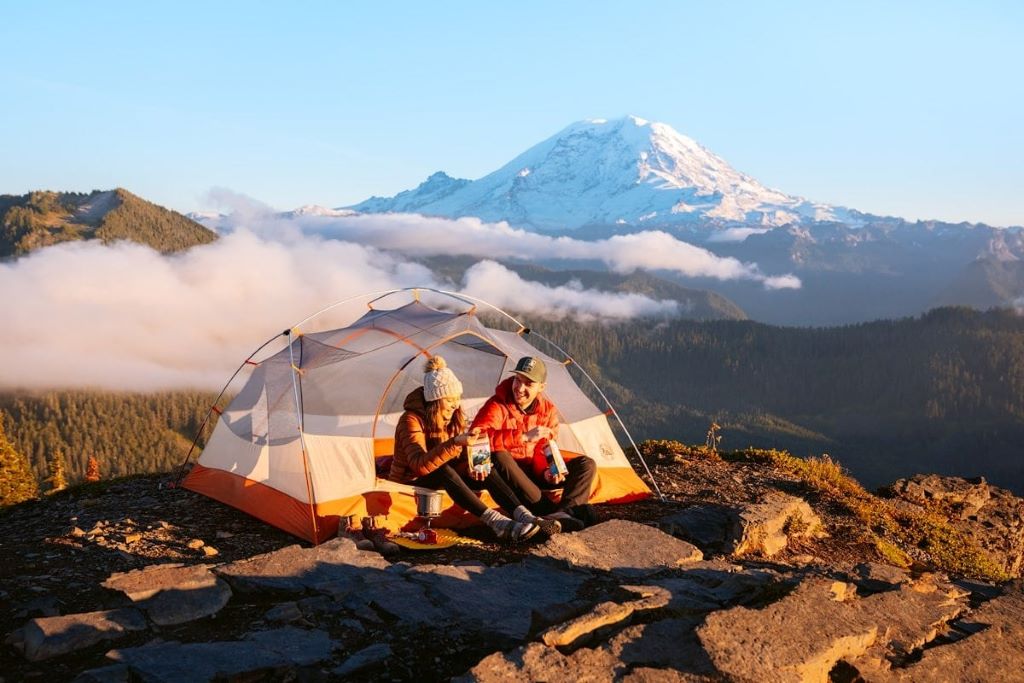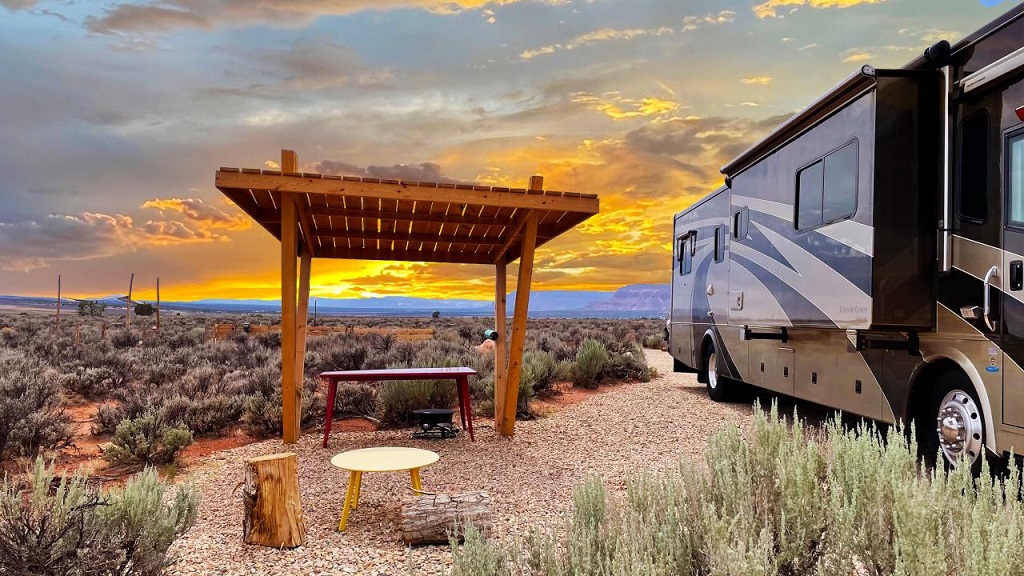
Camping can be one of the most rewarding outdoor experiences, allowing you to connect with nature, unplug from technology, and experience a simpler way of living, even if only for a weekend. However, for first-time campers, the experience can feel a bit daunting. If you’ve never pitched a tent or cooked over an open fire, you’re likely wondering how to survive your first camping trip. Fear not—this guide will walk you through all the essentials to help ensure your first outdoor adventure is memorable for all the right reasons.
Choose the Right Campsite
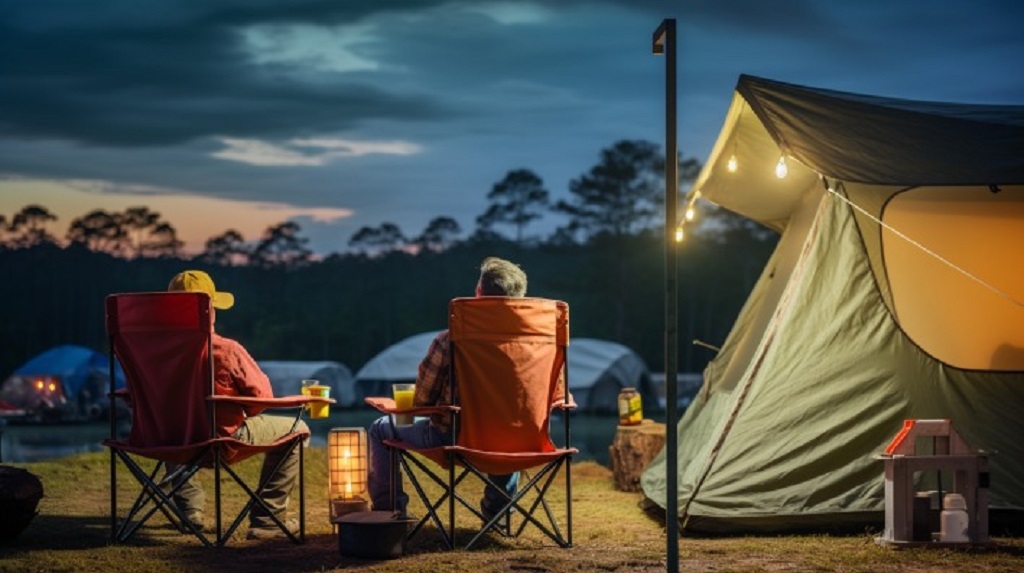
Your first step in planning a successful camping trip is selecting the right campsite. Not all campsites are created equal, and choosing the wrong one can make the experience difficult, especially for beginners.
Campgrounds vs. Wild Camping
For your first time, it’s wise to stay at a designated campground. These often have basic amenities like restrooms, potable water, and fire pits, which can make your trip smoother. Wild camping, or “dispersed” camping, involves setting up in an unmarked location without any facilities. While more adventurous, it can be overwhelming for a first-timer.
Research the Campsite
Whether you’re heading to a national park or a private campground, research your options thoroughly. Check out reviews, facilities, and the landscape. Are there hiking trails, a body of water, or other activities nearby? How remote is the location? Some campgrounds allow car camping, where you can park right next to your site, making it easier to haul gear. This can be particularly helpful for beginners.
Reservations and Permits
Many campgrounds require reservations, especially during peak seasons, so be sure to book ahead of time. Some parks and wilderness areas may also require permits, so check the rules for your specific destination.
Read More Also: Benefits and Innovations in Private Jet Travel
Gear Up: The Essentials
Having the right gear can make or break your camping trip. You don’t need to spend a fortune, but certain items are essential for a comfortable and safe experience.
Tent
A tent is your shelter, so choosing a good one is key. Make sure it’s weather-appropriate, easy to set up, and large enough for your group. If you’re camping solo or with one other person, a two-person tent should suffice, but if you’re going with more people, size up. Practice setting it up at home before your trip, so you’re not struggling in the dark at the campsite.
Sleeping Bag and Sleeping Pad
A good night’s sleep can significantly affect your experience. Choose a sleeping bag that is appropriate for the season and climate. If you’re camping in cooler weather, make sure it’s rated for the right temperature range. A sleeping pad is also important—it provides insulation from the cold ground and adds a layer of comfort.
Camp Stove or Grill
Unless you’re confident in your fire-starting skills and cooking over an open flame, it’s best to bring a camp stove. They’re reliable and easy to use. Don’t forget matches, lighters, and extra fuel. Even if you’re planning on using a fire pit, a backup stove can be a lifesaver.
Lighting
Once the sun sets, you’ll need light. Headlamps are extremely useful as they free up your hands, but lanterns and flashlights are also good options. Make sure you have extra batteries.
Water and Filtration
Many campgrounds have potable water, but if you’re unsure, bring plenty of water or a reliable water filtration system. Dehydration can quickly ruin a trip, so having clean water on hand is non-negotiable.
First-Aid Kit
Accidents happen, even on well-planned trips. A basic first-aid kit with bandages, antiseptic wipes, tweezers, and over-the-counter medications like ibuprofen can help treat minor injuries or ailments.
Clothing and Footwear
Dressing in layers is crucial when camping, as temperatures can fluctuate significantly between day and night. Bring moisture-wicking shirts, warm fleece or jackets, and rain gear. Proper footwear is also essential. Hiking boots or sturdy sneakers are great, depending on the terrain.
Learn How to Set Up Camp
Setting up your campsite is one of the first things you’ll do upon arrival, and doing it right ensures a smoother experience.
Tent Setup
Find a flat, dry area to pitch your tent. If it’s windy, position the tent so the narrow end faces the wind to minimize resistance. Clear the ground of sharp objects like rocks or sticks, and use a ground tarp to protect your tent floor. Secure your tent with stakes and guy lines to prevent it from blowing over in case of wind.
Fire Pit Safety
If the campsite has a designated fire ring, use it. Always keep a bucket of water and a shovel nearby for safety. If you’re collecting firewood, use only dead or fallen wood. Never cut down live trees. Remember to fully extinguish your fire before going to bed or leaving the site by dousing it with water and stirring the ashes until they’re cold.
Food Planning: Keep It Simple and Safe
Eating well while camping can make your trip enjoyable, but meal planning is different in the wilderness. Stick to simple meals that don’t require a lot of prep or ingredients. Here are a few easy options:
- Breakfast: Instant oatmeal, granola bars, or scrambled eggs if you bring a cooler.
- Lunch: Pre-made sandwiches, trail mix, or wraps.
- Dinner: Hot dogs, canned chili, or foil-pack meals with veggies and proteins like chicken or fish.
Remember to bring a cooler with ice if you have perishables. Store all food in bear-proof containers if you’re in bear country, or at the very least, keep food locked in your car or hanging from a tree to avoid attracting wildlife.
Practice Basic Camping Etiquette
Camping is not just about enjoying nature but also about respecting it and those around you.
Leave No Trace
One of the most important principles is to leave no trace. This means packing out everything you brought in, including trash and food waste. Don’t disturb plants, wildlife, or other natural features. Stay on established trails to minimize your impact on the environment.
Noise Control
Part of the joy of camping is the peace and quiet, so be mindful of your noise levels, especially at night. Many campgrounds have designated quiet hours, so check the rules and keep voices and music down.
Be Ready for the Elements
Mother Nature can be unpredictable, so prepare for all types of weather, even if the forecast looks sunny.
Rain Preparation
Bring waterproof gear, such as jackets, tarps, and extra layers to stay dry. It’s also smart to have a small tarp or canopy to cover your cooking and eating area in case of rain.
Cold Weather
Even in summer, nighttime temperatures can drop dramatically in some regions. Layer up before going to bed, and use a sleeping bag liner for extra warmth if needed.
Have Fun and Stay Flexible
Despite all the preparation, things might not go perfectly—and that’s okay! The key is to stay flexible and enjoy the experience. Whether you’re gazing at the stars, roasting marshmallows, or exploring nearby trails, the magic of camping lies in the adventure itself. The occasional hiccup can make for great stories later on.
Conclusion
Surviving your first camping trip is about preparation, flexibility, and a sense of adventure. By choosing the right campsite, packing the right gear, setting up camp correctly, and being prepared for the elements, you’ll set yourself up for success. Most importantly, relax and enjoy the beauty of nature—you’ll be hooked on camping in no time!