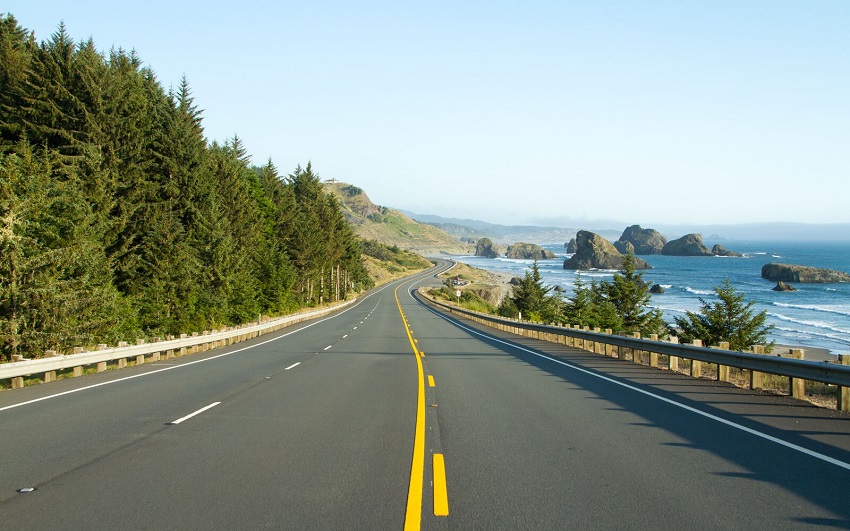
Patagonia is a region that conjures images of towering mountains, expansive glaciers, and sprawling wilderness. Located at the southern end of South America, Patagonia is shared by Argentina and Chile. However, the Argentine side offers a unique mix of scenic beauty, cultural experiences, and outdoor adventures. For those planning a trip, creating the perfect Argentina Patagonia itinerary is essential to making the most of this dream destination.
Patagonia, known for its raw, untouched beauty, offers the ultimate retreat for adventurers, photographers, and nature lovers alike. This Argentina Patagonia itinerary is designed to cover all the must-see spots and hidden gems, ensuring a rich and fulfilling experience.
Why Visit Patagonia?
Patagonia is a haven for outdoor enthusiasts. It’s home to breathtaking glaciers, rugged mountain ranges, and miles of undisturbed nature. The region has something for everyone—from those seeking peaceful tranquility to thrill-seekers looking to push their limits. The Argentine Patagonia is especially known for its well-maintained national parks, welcoming locals, and fascinating wildlife, such as guanacos, penguins, and Andean condors.
Whether you’re a trekker, a photographer, or simply someone in search of serenity, Patagonia delivers. From the towering Fitz Roy Mountain to the icy expanse of Perito Moreno Glacier, this part of Argentina is a destination like no other.
Highlights of Argentina Patagonia Itinerary
Patagonia is a vast area, and it can be overwhelming to plan a trip. This itinerary is divided into regions to help travelers focus on the most spectacular parts of Argentine Patagonia.
Getting to Patagonia: Where to Start Your Adventure
Most travelers begin their Patagonia journey by flying into Buenos Aires, Argentina’s vibrant capital. From Buenos Aires, there are direct flights to two major Patagonian hubs: El Calafate and Ushuaia.
- El Calafate is the gateway to Los Glaciares National Park, home to the famous Perito Moreno Glacier.
- Ushuaia, often referred to as “the end of the world,” is the southernmost city on Earth and the base for exploring Tierra del Fuego National Park.
Days 1-3: Explore El Calafate and the Perito Moreno Glacier
Start your adventure in El Calafate, a small town nestled along Lago Argentino. This town is the gateway to some of the most impressive glaciers in the world. A visit to the Perito Moreno Glacier is an absolute must.
- Perito Moreno Glacier: Known for its constant movement and dramatic calving events, this glacier is one of the few in the world that is still growing. You can hike along designated walkways for stunning views or even take a guided ice trek across the glacier’s surface.
- Glacier Boat Tour: For a different perspective, consider taking a boat tour that navigates through the glacial waters, giving you a front-row seat to the sheer ice walls crashing into the lake below.
El Calafate offers charming local restaurants and opportunities to explore nearby estancias (ranches), where you can experience traditional Argentine culture.
Days 4-5: El Chaltén – Trekking in Patagonia’s Hiking Capital
After enjoying the wonders of El Calafate, head to El Chaltén, a small village located in the northern part of Los Glaciares National Park. This village is a trekker’s paradise, offering some of the best hiking trails in South America.
- Laguna de los Tres: One of the most famous hikes, this trek leads to Laguna de los Tres, offering unparalleled views of the iconic Mount Fitz Roy. The trail is about 20 kilometers round trip, making it a challenging yet rewarding day hike.
- Laguna Capri: For those seeking a shorter and easier hike, the Laguna Capri trail is perfect. This 8-kilometer trek offers stunning views of Fitz Roy and the surrounding peaks.
The rugged beauty of El Chaltén is unmatched, and even travelers who are not avid hikers will find themselves enchanted by the area’s serene atmosphere.
Days 6-7: Discovering Puerto Madryn and Península Valdés
Next on the itinerary is Puerto Madryn, a coastal city famous for its wildlife and marine life. Puerto Madryn is the gateway to the Península Valdés, a UNESCO World Heritage Site known for its unique biodiversity.
- Whale Watching: From June to December, southern right whales can be seen along the coastline. Tours operate daily and offer close-up views of these majestic creatures.
- Penguins at Punta Tombo: Visit Punta Tombo, home to the largest Magellanic penguin colony in South America. Walking among thousands of penguins is an unforgettable experience.
The Península Valdés is also home to orcas, sea lions, and elephant seals, making it a paradise for wildlife enthusiasts.
Days 8-9: Ushuaia – The End of the World
Ushuaia, located on the southern tip of Argentina, is often called the “Gateway to Antarctica.” It’s also a fantastic destination for travelers exploring Patagonia.
- Tierra del Fuego National Park: This park offers opportunities for hiking, bird watching, and even canoeing along pristine rivers. The park’s diverse landscapes include forests, mountains, and coastlines, creating a rich backdrop for exploration.
- Beagle Channel Cruise: Set sail through the Beagle Channel, where you’ll witness beautiful fjords and islands inhabited by colonies of seals, cormorants, and penguins. These cruises also provide a glimpse of the famous Les Eclaireurs Lighthouse, often considered the “Lighthouse at the End of the World.”
Ushuaia also offers a range of activities, from snow sports in the winter to fishing and sailing in the summer.
Best Time to Visit Argentine Patagonia
The best time to visit Argentine Patagonia depends on your personal preferences and the activities you wish to do. The region’s summer months—December to February—are the most popular, offering pleasant temperatures and longer daylight hours.
However, visiting during the shoulder seasons of spring (October-November) and autumn (March-April) can also be rewarding, with fewer tourists and a chance to witness Patagonia’s dramatic seasonal changes.
For wildlife lovers, the best time to visit Puerto Madryn is between June and December, when whales are most active.
Packing Tips for Patagonia
Patagonia’s weather can be unpredictable, even during the summer months. Here are a few essential packing tips:
- Layered Clothing: Temperatures can vary widely throughout the day, so pack plenty of layers. A waterproof jacket is a must.
- Hiking Boots: Sturdy, comfortable hiking boots are essential for navigating the region’s rugged terrain.
- Reusable Water Bottle: Patagonia is full of pristine streams, and you can often refill your water directly from nature. Be sure to carry a durable water bottle.
- Sunscreen and Sunglasses: The sun in Patagonia can be intense, especially at higher altitudes or near glaciers, so sun protection is crucial.
Conclusion
Patagonia is a land of extremes, where towering mountains meet expansive glaciers, and wildlife roams free in untamed landscapes. This Argentina Patagonia itinerary provides the perfect balance between adventure and relaxation, ensuring you see the best the region has to offer. From hiking the rugged trails of El Chaltén to witnessing the majesty of Perito Moreno Glacier and experiencing the end of the world in Ushuaia, Patagonia is a destination that will leave you breathless and yearning for more.
Whether you’re a seasoned explorer or a first-time traveler, Patagonia’s landscapes will inspire awe and leave lasting memories. So pack your bags, lace up your hiking boots, and get ready for the adventure of a lifetime.