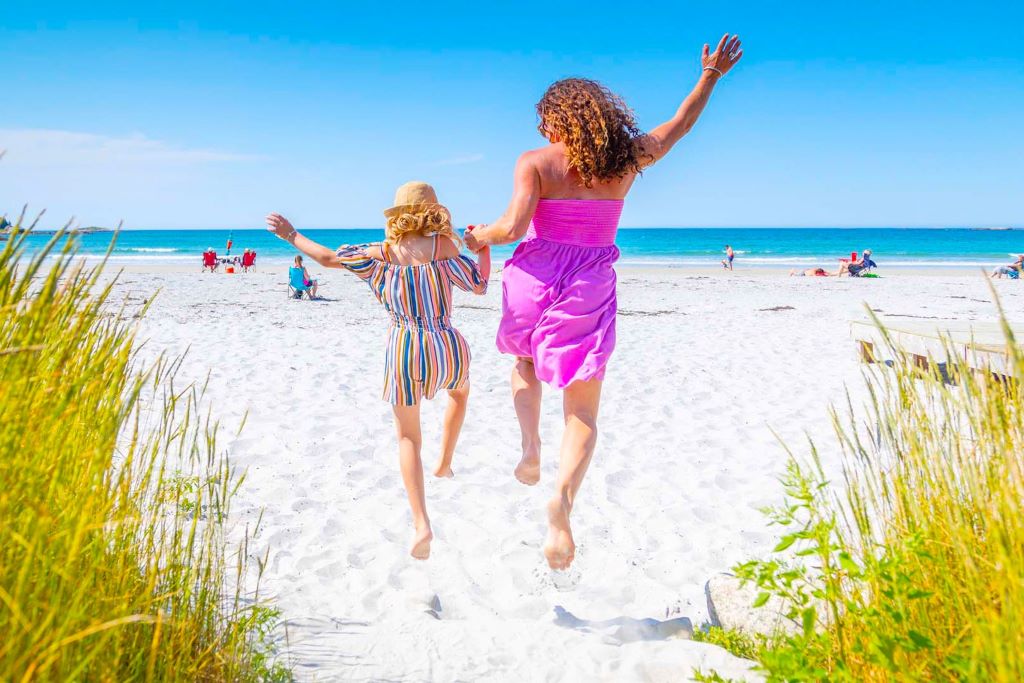
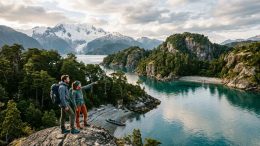
Seattle travelers often look beyond crowded tourist spots when planning international adventures. Many now prefer remote destinations that offer wildlife, silence, and dramatic landscapes. According to the United Nations World Tourism Organization, adventure tourism continues to grow by more than 15% annually worldwide. Additionally, sustainable travel searches increased significantly after 2022 as travelers sought quieter natural experiences. This growing interest explains why many people search for a Chilean Patagonia islands tour while planning their next escape. The untouched islands near Chilean Patagonia combine raw nature, isolation, and unforgettable scenery that many Seattle residents find deeply appealing.
The Growing Interest in Remote Island Travel
Travelers from Seattle often experience rainy weather, evergreen forests, and coastal scenery throughout the year. Because of this environment, many feel naturally connected to rugged destinations like Patagonia. The untouched islands near southern Chile offer a similar atmosphere with even more dramatic landscapes. As a result, travelers feel both comfort and excitement when exploring these remote regions.
Many modern tourists also want experiences that feel authentic instead of commercialized. Large tourist cities can feel crowded and predictable during peak travel seasons. However, Patagonia’s islands remain quiet and largely untouched by mass tourism. Therefore, visitors enjoy a deeper connection with nature and local culture.
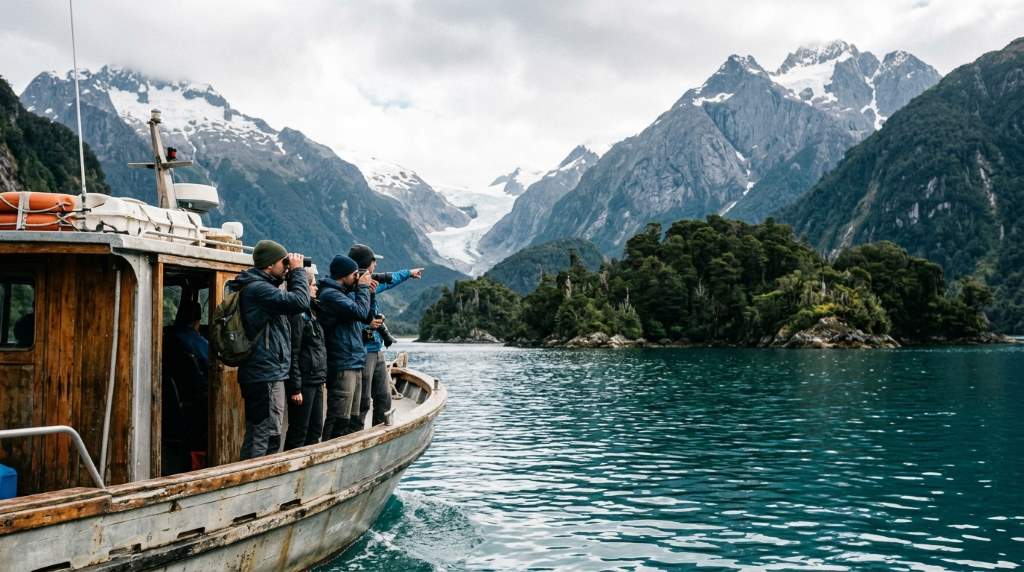
The rise of social media also influences travel choices in Seattle. Travelers constantly search for unique locations that provide memorable outdoor experiences and stunning photography opportunities. Patagonia’s hidden islands offer glaciers, fjords, rare wildlife, and untouched coastlines that stand out online. Consequently, these destinations attract adventure-focused travelers seeking something different.
Why Seattle Residents Feel Drawn to Patagonia
Similar Climate and Natural Beauty
Seattle and Chilean Patagonia share several environmental similarities. Both regions feature cool temperatures, coastal winds, evergreen forests, and frequent rainfall. Because of these similarities, Seattle travelers often adapt quickly to Patagonia’s outdoor conditions. This comfort level encourages longer and more adventurous trips.
The scenery also feels familiar yet dramatically intensified. Seattle residents already appreciate mountain landscapes, ocean views, and misty forests around the Pacific Northwest. Patagonia expands those features into larger and more remote natural environments. Therefore, travelers experience a sense of wonder without feeling disconnected from familiar surroundings.
Strong Outdoor Culture
Seattle has one of the strongest outdoor recreation cultures in the United States. Residents regularly enjoy hiking, kayaking, camping, whale watching, and mountain climbing. Patagonia’s islands naturally appeal to these interests because they provide unmatched wilderness experiences. Additionally, many travelers seek places where they can disconnect from digital distractions.
Outdoor-focused travelers also value environmental preservation. Patagonia’s islands support eco-tourism efforts and sustainable travel practices across many regions. Consequently, environmentally conscious visitors from Seattle often choose these destinations over heavily developed tourist areas.
The Appeal of Untouched Islands Near Chilean Patagonia
The untouched islands near Chilean Patagonia provide experiences that many destinations cannot match. These islands remain sparsely populated and difficult to access, which helps preserve their natural beauty. Travelers enjoy peaceful surroundings without heavy traffic, crowded hotels, or noisy attractions. As a result, the entire journey feels more personal and immersive.
Wildlife encounters also attract nature lovers from Seattle. Travelers may spot penguins, sea lions, dolphins, humpback whales, and rare seabirds during island excursions. Furthermore, guided eco-tours often focus on conservation and education instead of entertainment alone. This combination creates meaningful travel experiences that leave lasting memories.
Many islands also feature dramatic glaciers and fjord systems. Visitors can kayak through icy waters or hike remote coastal trails with breathtaking mountain views. Because these areas remain relatively untouched, travelers experience a rare sense of exploration that feels increasingly difficult to find elsewhere.
Popular Untouched Islands Travelers Explore
Navarino Island
Navarino Island attracts adventurous travelers seeking remote hiking experiences and wilderness exploration. The island sits near Cape Horn and offers rugged mountain terrain with stunning views. Additionally, the famous Dientes de Navarino trek challenges experienced hikers with unpredictable weather and isolated trails.
The island also provides cultural value through its indigenous heritage and small local communities. Visitors often appreciate the slower pace of life and traditional customs found there. Therefore, Navarino Island combines adventure with meaningful cultural experiences.
Magdalena Island
Magdalena Island remains one of the best places in Patagonia for wildlife observation. Thousands of Magellanic penguins gather there during breeding season each year. Consequently, photographers and wildlife enthusiasts frequently add this destination to their travel plans.
Boat tours from Punta Arenas usually provide access to the island. Visitors can walk along designated trails while observing penguins in their natural habitat. Moreover, the experience feels intimate because the island maintains strong conservation protections.
Wellington Island
Wellington Island appeals to travelers who want true isolation and natural beauty. Dense forests, glaciers, and fjords dominate the landscape across the island. Additionally, the region receives heavy rainfall that creates vibrant vegetation and dramatic scenery.
Many eco-expeditions include kayaking and small-boat exploration around the coastline. Because tourism remains limited there, travelers often enjoy peaceful environments free from large crowds. This untouched atmosphere strongly attracts Seattle visitors seeking solitude.
Adventure Activities That Attract Seattle Travelers
Seattle residents frequently choose Patagonia because of the wide range of outdoor activities available there. The islands support both physical adventure and quiet nature experiences. Therefore, travelers with different interests can all find rewarding experiences.
Popular adventure activities include:
- Glacier kayaking through remote fjords
- Multi-day wilderness hiking
- Whale watching tours
- Wildlife photography expeditions
- Coastal camping adventures
- Small-boat island exploration
- Fly fishing in untouched rivers
- Birdwatching tours
These activities provide both excitement and relaxation in natural settings. Additionally, many guided tours focus on safety and environmental responsibility. This approach appeals strongly to experienced outdoor travelers from the Pacific Northwest.
Seasonal Travel Patterns From Seattle to Patagonia
Travel timing plays an important role when planning Patagonia island trips. Most Seattle travelers visit during the southern hemisphere summer between November and March. During this period, temperatures remain milder and daylight hours become much longer. Consequently, outdoor exploration becomes easier and safer.
Summer weather still changes rapidly across Patagonia. Strong winds, rain showers, and sudden temperature drops occur even during warmer months. Therefore, travelers from Seattle often prepare carefully with layered clothing and waterproof gear.
Winter travel also attracts a smaller group of adventure seekers. Snow-covered mountains and dramatic stormy coastlines create unique photography opportunities. However, transportation options may become more limited during colder seasons.
Travel Planning Tips for Exploring Patagonia’s Islands
Prepare for Rapid Weather Changes
Patagonia’s weather can shift within minutes. Travelers should pack waterproof jackets, thermal layers, hiking boots, and wind-resistant clothing. Additionally, dry bags help protect electronics during boat excursions and kayaking tours.
Seattle residents often understand wet weather preparation already. However, Patagonia’s strong winds require additional planning compared to the Pacific Northwest climate. Therefore, durable outdoor gear becomes essential for comfort and safety.
Choose Eco-Friendly Tour Operators
Sustainable tourism helps preserve Patagonia’s fragile ecosystems. Travelers should research companies that follow responsible wildlife and environmental practices. Additionally, smaller group tours usually create less environmental impact while offering more personal experiences.
Eco-conscious travel also benefits local communities across the islands. Many local guides depend on tourism while actively supporting conservation efforts. Therefore, responsible travel choices help protect the region for future visitors.
Allow Extra Travel Time
Transportation across Patagonia’s islands can take longer than expected. Ferries, weather conditions, and remote infrastructure sometimes delay travel schedules. Consequently, travelers should build flexibility into their itineraries.
Longer stays also create better opportunities for deeper exploration. Instead of rushing through multiple destinations, many visitors choose fewer locations with more immersive experiences. This slower travel style often leads to more rewarding adventures.
Why Patagonia Feels Different From Other Island Destinations
Many island vacations focus on luxury resorts, nightlife, and crowded beaches. Patagonia’s untouched islands offer the opposite experience through wilderness, silence, and raw natural beauty. Travelers often appreciate this contrast because it feels rare in modern tourism.
The sense of isolation also creates emotional value for many visitors. People can disconnect from work stress, digital distractions, and busy urban routines. Additionally, the powerful landscapes encourage reflection and mindfulness during the journey.
Unlike heavily commercialized destinations, Patagonia still feels genuinely wild. Visitors often describe the experience as transformative because the environment feels untouched by modern development. Therefore, many Seattle travelers view these islands as meaningful escape destinations rather than ordinary vacations.
The Influence of Sustainable Tourism Trends
Sustainable tourism continues to influence travel decisions across Seattle and other environmentally conscious cities. Travelers increasingly prefer destinations that prioritize conservation and local community support. Patagonia’s islands align closely with these values through protected natural areas and eco-tourism initiatives.
Many younger travelers also seek low-impact experiences instead of luxury-focused vacations. Activities like hiking, wildlife observation, and kayaking fit perfectly within this growing travel mindset. Consequently, Patagonia’s islands continue attracting environmentally aware tourists from the Pacific Northwest.
Travelers also recognize the importance of preserving fragile ecosystems before tourism expands further. Visiting responsibly today helps support conservation efforts while maintaining the islands’ untouched character. This awareness motivates many visitors to choose guided eco-friendly adventures.
Budget Considerations for Seattle Travelers
Traveling to Chilean Patagonia requires careful financial planning because of transportation and logistics costs. Flights from Seattle to southern Chile often involve multiple connections and long travel times. Additionally, remote island tours and expedition cruises can increase overall expenses.
However, many travelers find the experience worth the investment because of its uniqueness. Budget-conscious visitors can reduce costs by traveling during shoulder seasons or choosing smaller guesthouses. Furthermore, planning early often helps secure lower airfare and tour prices.
Camping and backpacking options also remain available across several regions. These choices appeal to adventurous travelers who prioritize experiences over luxury accommodations. Therefore, Patagonia can accommodate different travel budgets with proper preparation.
Safety and Practical Travel Advice
Safety preparation remains essential when visiting remote islands near Patagonia. Travelers should always inform others about hiking routes and expected return times. Additionally, guided tours provide valuable local knowledge and navigation support.
Internet and phone connectivity may remain limited in isolated areas. Therefore, visitors should download offline maps and carry emergency supplies during outdoor activities. Seattle travelers with wilderness experience often adapt well to these conditions.
Travel insurance also becomes highly recommended for Patagonia trips. Weather disruptions and remote medical access can create unexpected complications during travel. Consequently, comprehensive insurance provides valuable peace of mind throughout the journey.
How Patagonia Creates Lasting Memories
Travelers often remember Patagonia differently from traditional vacations because of its emotional impact. The silence of remote fjords, the sight of massive glaciers, and close wildlife encounters create unforgettable moments. Additionally, the physical challenges of outdoor exploration often increase personal satisfaction.
Many Seattle travelers return home with a renewed appreciation for nature and environmental conservation. Experiences in Patagonia frequently inspire lifestyle changes and future outdoor adventures. Therefore, these island journeys often become deeply meaningful rather than simply recreational.
Photography also helps preserve these memories long after the trip ends. The dramatic landscapes and changing weather conditions create extraordinary visual experiences throughout the islands. Consequently, travelers continue sharing stories and images for years after returning home.
Conclusion
The untouched islands near Chilean Patagonia continue attracting travelers from Seattle because they offer adventure, isolation, and extraordinary natural beauty. Similar climates, strong outdoor culture, and growing interest in sustainable tourism all strengthen this connection. Additionally, the islands provide rare opportunities to experience wilderness without heavy commercialization. Travelers who seek meaningful experiences instead of crowded attractions often find Patagonia unforgettable. Start planning your journey today and discover why these remote islands continue capturing the imagination of adventurous travelers from Seattle and beyond.
FAQs
Why do Seattle travelers enjoy Patagonia’s islands?
Seattle travelers often enjoy Patagonia because the climate and outdoor lifestyle feel familiar yet more dramatic.
What is the best season to visit Chilean Patagonia islands?
The best season usually runs from November through March because temperatures remain milder and daylight lasts longer.
Are Patagonia island tours suitable for beginners?
Many guided tours welcome beginners, although some hiking routes require moderate fitness and preparation.
What wildlife can travelers see near Patagonia’s islands?
Travelers commonly see penguins, whales, dolphins, sea lions, and several rare bird species.
Is Patagonia expensive for travelers from Seattle?
Patagonia can be costly because of transportation and remote logistics, but budget-friendly travel options still exist.
Meta Description:
Discover why travelers in Seattle, WA seek untouched islands near Chilean Patagonia for adventure, wildlife, eco-tourism, and remote beauty.
Related Reads
Learn: How to Buy a Hiking Backpack Under Budget Without Regret
Explore: How to Document Travel Experiences Creatively: Beyond the Typical Photo Album
Learn: How to Prepare for Long-Term Travel Adventures: The Ultimate Guide for 2026