
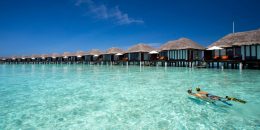
The Maldives, a tropical paradise in the Indian Ocean, is renowned for its pristine beaches, crystal-clear waters, and luxurious resorts. Planning your visit requires understanding the best time to go, which depends on weather, activities, budget, and personal preferences. This guide explores these factors in detail, ensuring you make an informed decision for your dream vacation.
Climate Overview
The Maldives enjoys a tropical climate with hot and humid conditions year-round. The average temperature ranges from 25°C to 32°C (77°F to 90°F), moderated by surrounding seas. The country experiences two main seasons:
- Dry Season (December to April): Characterized by low rainfall, clear skies, and calm seas, this is the peak tourist season. It’s ideal for beach activities, diving, and snorkeling, with minimal rain and long hours of sunshine.
- Wet Season (May to November): Also known as the monsoon season, this period sees more frequent rain showers and higher humidity. While rain can occur, it often comes in short bursts, leaving plenty of sunny days. This season is less crowded and offers better deals on accommodations.
Monthly weather data, sourced from Weather Spark, provides specific insights:
| Month | Average High Temp (°F) | Average Low Temp (°F) | Average Rainfall (inches) | Days of Rain |
|---|---|---|---|---|
| Jan | 86 | 80 | 2.1 | 6.1 |
| Feb | 87 | 80 | 0.8 | 2.8 |
| Mar | 88 | 81 | 1.1 | 4.7 |
| Apr | 88 | 82 | 2.4 | 8.5 |
| May | 88 | 82 | 5.5 | 14.7 |
| Jun | 87 | 82 | 4.9 | 13.6 |
| Jul | 87 | 81 | 4.4 | 14.0 |
| Aug | 86 | 81 | 5.2 | 15.2 |
| Sep | 86 | 80 | 5.5 | 14.9 |
| Oct | 86 | 80 | 5.2 | 14.2 |
| Nov | 86 | 80 | 6.0 | 13.7 |
| Dec | 86 | 80 | 5.4 | 12.8 |
This table highlights February as the driest month with only 0.8 inches of rain, while November sees the most at 6.0 inches, aligning with the wet season’s peak.
Monthly Breakdown
To help you plan, here’s a detailed look at each month, considering weather, tourist activity, prices, and special events:
-
January:
Warm and dry, with average highs of 86°F and lows of 80°F. Rainfall is minimal at 2.1 inches over 6.1 days. Ideal for beach activities and diving, it’s a peak season month with higher crowds and prices.
-
February:
Similar to January, with slightly less rain (0.8 inches over 2.8 days). Average temperatures are 87°F high and 80°F low. Great for romantic getaways, but expect busy resorts.
-
March:
Dry weather continues, with temperatures rising to an average high of 88°F and low of 81°F. Rainfall is 1.1 inches over 4.7 days. Good for diving and snorkeling, with whale sharks more common.
-
April:
Still dry, with average highs of 88°F and lows of 82°F, but rainfall increases to 2.4 inches over 8.5 days. Prices might be slightly lower as the wet season approaches, making it a shoulder month.
-
May:
The wet season begins, with average highs of 88°F and lows of 82°F. Rainfall jumps to 5.5 inches over 14.7 days. Fewer tourists mean better deals, and surfing conditions improve.
-
June:
Rain continues, with average highs of 87°F and lows of 82°F, and 4.9 inches of rain over 13.6 days. Still sunny days, good for surfing, and whale sharks are often sighted.
-
July:
Peak of the wet season, with average highs of 87°F and lows of 81°F, and 4.4 inches of rain over 14.0 days. Islands are less crowded, ideal for budget travelers.
-
August:
Rainy conditions persist, with average highs of 86°F and lows of 81°F, and 5.2 inches of rain over 15.2 days. Marine life is abundant, good for underwater exploration.
-
September:
Rainfall decreases, with average highs of 86°F and lows of 80°F, and 5.5 inches over 14.9 days. A good time for budget travelers, with fewer crowds.
-
October:
Transition month, with average highs of 86°F and lows of 80°F, and 5.2 inches of rain over 14.2 days. Improving weather, and whale sharks are more common.
-
November:
Dry season begins, with average highs of 86°F and lows of 80°F, and 6.0 inches of rain over 13.7 days. A good time before peak season crowds, with clearer skies.
-
December:
Start of high season, with average highs of 86°F and lows of 80°F, and 5.4 inches of rain over 12.8 days. Festive celebrations, perfect weather, but higher prices.

Best Time for Specific Activities
Different activities thrive in different seasons, based on Original Diving and other sources:
-
Diving and Snorkeling:
The dry season (December to April) offers the best visibility, with calm seas and clear skies. Visibility can reach 20-30 meters on the eastern atolls, ideal for spotting vibrant coral reefs and marine life.
-
Surfing:
The wet season (May to October) brings bigger waves, with peak conditions from June to September. North Male Atoll, for instance, faces consistent SE swells, perfect for intermediate to advanced surfers.
-
Fishing:
November to March is best, with favorable weather and calm seas. Shore fishing is popular, targeting species like barracuda and snapper, while deep-sea fishing charters offer big game like marlin.
-
Whale Shark Watching:
March to June is prime, with sightings more frequent in the Ari Atoll. These gentle giants are a highlight for many visitors.
-
Turtle Nesting:
May to October is the nesting season, particularly on uninhabited islands, offering a chance to witness sea turtles laying eggs.
Budget Considerations
Tourist seasons significantly impact costs, as noted by Travel and Leisure:
- Peak Season (December to April): Higher prices for flights and accommodations, driven by demand from winter sun-seekers. Expect crowded resorts, especially around Christmas and New Year.
- Low Season (May to November): Lower prices and fewer crowds, but more rain. Ideal for budget travelers, with discounts on resorts and activities.
- Shoulder Season (November and April): Offers a balance, with improving weather and fewer tourists than peak months. Prices are moderate, making it a sweet spot for value.
To save money, consider booking during the low season or looking for last-minute deals during peak times. Some resorts offer packages that include meals and activities, reducing overall costs.
Special Events and Festivals
The Maldives, a predominantly Muslim country, celebrates Islamic festivals based on the lunar calendar, which shifts annually. National holidays include:
- Independence Day: July 26, commemorating independence from Britain in 1965, with parades in Male.
- Republic Day: November 11, marking the establishment of the republic in 1968, often with feasts and cultural events.
Islamic festivals like Eid al-Fitr and Eid al-Adha vary each year. For 2025, Ramadan is expected from February 28 to March 30, per Islamic Relief UK. Visitors should note that during Ramadan, some local island restaurants may close during the day, though resorts typically remain unaffected.
Travel Plan for Adventure, Heritage & Cultural Tour
Here’s a 7-day itinerary for a diverse experience:
- Day 1: Arrive in Male, explore the city’s markets and the National Museum for heritage insights.
- Day 2: Take a seaplane to Ari Atoll for diving or snorkeling, focusing on adventure.
- Day 3: Visit a local island like Maafushi to experience Maldivian culture, try traditional dishes like mas huni.
- Day 4: Go on a fishing trip or try surfing, depending on the season, for adventure.
- Day 5: Relax on the beach and enjoy spa treatments at your resort.
- Day 6: Explore the underwater world with a guided dive or snorkel tour, spotting marine life.
- Day 7: Depart from Male, taking home memories of a rich adventure and cultural experience.
Reasons to Travel to the Maldives
The Maldives offers compelling reasons for a visit:
- Pristine beaches and crystal-clear waters, perfect for relaxation.
- World-class diving and snorkeling, with rich marine biodiversity including whale sharks and sea turtles.
- Luxurious resorts with overwater bungalows, offering unparalleled comfort.
- Unique cultural experiences on local islands, immersing in Maldivian traditions.
- A year-round destination with activities for all interests, from adventure to heritage.
Final Thought
Choosing the best time to visit the Maldives hinges on what you crave from this island paradise. Crave endless sunshine and perfect diving? December to April delivers with dry skies and vibrant underwater scenes. Seeking adventure on a budget or epic surf? May to November offers lower prices and thrilling waves. Each season paints a unique picture—peak months dazzle with luxury and crowds, while the quieter wet season unveils a serene, affordable escape. Weigh your priorities: weather, cost, or activities. The Maldives waits year-round, ready to captivate with its turquoise embrace and timeless charm. Plan smart, and your tropical dream will unfold flawlessly.
Read More: 7 best destinations for a fabulous honeymoon
FAQs
-
What is the best time to see whale sharks in the Maldives?
Whale sharks are most commonly sighted from March to June, particularly in Ari Atoll.
-
Is it safe to visit during the wet season?
Yes, the rain is usually in short bursts, and there are still plenty of sunny days. Pack a raincoat and enjoy quieter islands.
-
What is the currency in the Maldives?
The local currency is the Maldivian rufiyaa (MVR), but US dollars are widely accepted.
-
Do I need a visa to visit the Maldives?
Most nationalities can obtain a visa on arrival for a fee, valid for 30 days.
-
What are the must-try dishes in the Maldives?
Don’t miss seafood, especially tuna, and traditional dishes like mas huni (smoked tuna with coconut and lime).